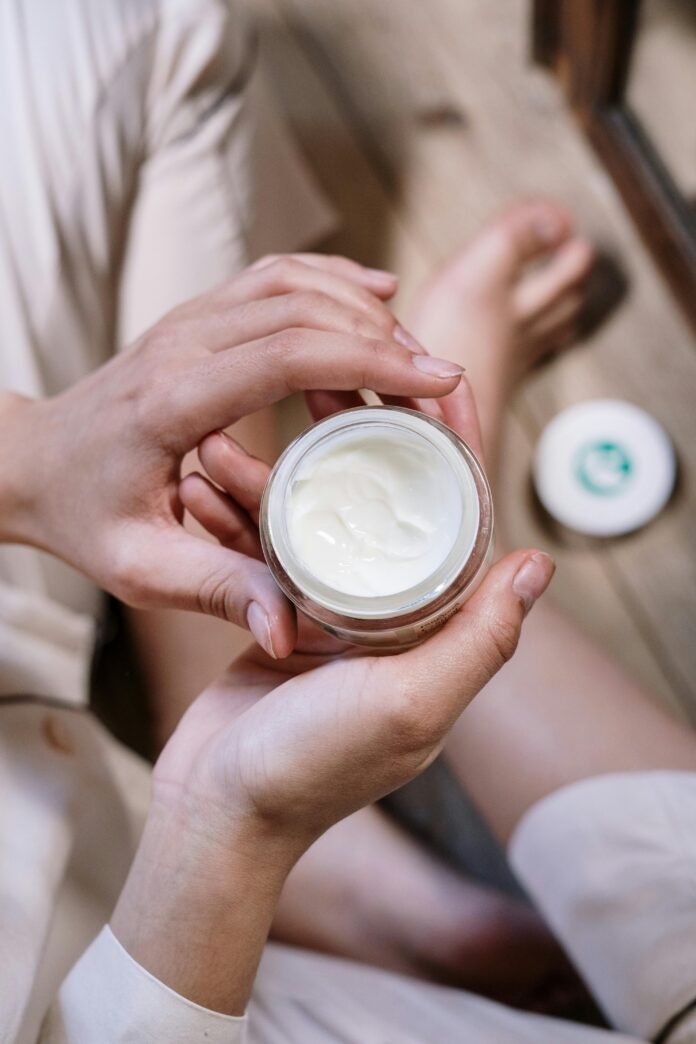
While daily moisturizing keeps most of your skin soft and hydrated, certain areas—elbows, knees, heels, and hands—require extra attention. These rough patches often result from friction, pressure, environmental stress, and natural skin thickness. Targeted body care ensures that these challenging areas stay smooth, nourished, and healthy without feeling dry, cracked, or calloused.
This comprehensive guide covers the causes of rough skin, targeted care routines, exfoliation, specialized products, seasonal adjustments, DIY solutions, and professional tips for achieving consistent softness from head to toe.
1. Understanding Rough Areas
Certain areas of the body are naturally thicker or subjected to repeated stress:
- Elbows and knees: Thick skin and frequent bending lead to dryness
- Heels and feet: Constant weight-bearing, friction, and pressure create calluses
- Hands: Frequent washing and environmental exposure cause dryness and roughness
- Cuticles and nail beds: Prone to cracking and hangnails
Targeted care focuses on these areas to restore softness, improve texture, and prevent long-term damage.
2. Causes of Rough Skin
- Environmental stress: Cold, heat, wind, and low humidity strip moisture
- Friction and pressure: Clothing, walking, and daily activities wear down skin
- Aging: Slower cell turnover and reduced natural oils
- Inadequate hydration: Neglecting thick creams or oils on problem areas
- Medical conditions: Eczema, psoriasis, or fungal infections may exacerbate roughness
Understanding the cause helps in choosing the most effective care strategy.
3. Exfoliation for Rough Areas
Exfoliation is the first step in smoothing rough skin.
3.1 Elbows and Knees
- Use gentle physical scrubs: sugar, salt, or oatmeal
- Massage in circular motions for 2–3 minutes
- Follow with rich cream or body oil
3.2 Feet and Heels
- Pumice stone or foot file to remove calluses
- Foot scrub with sugar or salt
- Avoid over-filing, which can cause irritation
3.3 Hands and Cuticles
- Gentle hand scrub 1–2 times per week
- Cuticle oil to maintain flexibility and prevent hangnails
3.4 Tips
- Exfoliate no more than 2–3 times per week for sensitive areas
- Always moisturize immediately after exfoliation
4. Targeted Moisturizers and Oils
Rough areas need thicker, occlusive products:
4.1 Creams
- Shea butter, cocoa butter, urea, or ceramide-based creams
- Apply twice daily to problem areas
4.2 Body Oils
- Almond, jojoba, coconut, or argan oil
- Lock in moisture and improve skin elasticity
4.3 Balms and Ointments
- Ideal for extremely dry or cracked areas
- Apply at night with cotton gloves or socks for overnight hydration
5. Daily Care Routine for Rough Areas
Step 1: Gentle Cleansing
- Use mild, moisturizing soap or body wash
- Avoid hot water that strips oils
Step 2: Exfoliation
- 1–2 times per week depending on sensitivity
- Remove dead skin to improve absorption
Step 3: Hydration
- Apply thick cream or oil immediately after shower
- Focus on elbows, knees, heels, and hands
Step 4: Protective Measures
- Wear gloves in winter or during cleaning
- Socks or cushioned footwear for feet
- Avoid harsh chemicals that exacerbate dryness
6. Seasonal Adjustments
Winter
- Heavy creams and oils for hands, elbows, knees, and feet
- Layer oils over creams for extra protection
- Nighttime treatments with gloves or socks
Spring
- Transition to lighter creams
- Repair winter-damaged skin with exfoliation and hydration
Summer
- Lightweight, fast-absorbing lotions
- Post-suncare hydration for feet and elbows
- Exfoliate gently after swimming to remove salt or chlorine
Autumn
- Reintroduce richer creams and oils
- Prepare rough areas for upcoming winter dryness
7. DIY Treatments for Rough Areas
7.1 Sugar & Olive Oil Scrub
- Mix sugar and olive oil
- Exfoliate elbows and knees 2–3 times per week
- Rinse and apply rich cream
7.2 Coconut Oil Foot Mask
- Apply thick coconut oil on heels and feet
- Wear socks overnight for intensive hydration
7.3 Honey & Oatmeal Balm
- Mix honey and oatmeal to form a thick paste
- Apply to elbows, knees, or hands
- Rinse after 10–15 minutes and moisturize
7.4 Cuticle Oil
- Blend almond oil with vitamin E
- Massage daily for soft, flexible cuticles
8. Special Considerations for Feet
- Calluses: Regular pumice stone use prevents buildup
- Cracks: Treat with urea-based creams or occlusive balms
- Sweat & Odor: Choose breathable footwear and exfoliate weekly
- Nail Care: Moisturize nail beds and cuticles to prevent brittleness
9. Professional Tips for Rough Areas
- Apply thick creams immediately after shower for best absorption
- Massage oils or balms to stimulate circulation
- Use occlusive gloves or socks overnight for intensive hydration
- Combine exfoliation with hydration to maximize smoothness
- Treat seasonal or environmental triggers proactively
10. Common Mistakes to Avoid
- Ignoring problem areas during daily moisturizing
- Over-exfoliating sensitive areas
- Using harsh soaps or chemical irritants
- Neglecting nighttime hydration treatments
- Failing to protect from environmental stressors like cold, wind, or friction
11. Signs Your Targeted Care is Working
- Skin feels soft and smooth to the touch
- Rough patches and dryness are visibly reduced
- Cracks or calluses are minimized
- Cuticles and nail beds are flexible and healthy
- Skin appears radiant and even in texture
12. Combining Targeted Care With Full-Body Routine
- Integrate rough area care into overall body care
- Use exfoliation, creams, and oils strategically
- Adjust products and frequency seasonally
- Maintain consistency for long-term results
13. Conclusion
Targeted body care for rough areas ensures that problem spots like elbows, knees, heels, and hands stay soft, smooth, and healthy. By understanding the causes of rough skin, exfoliating properly, using the right creams and oils, adjusting for seasonal changes, and following professional tips, you can achieve consistent hydration and a polished, silky look.
Focusing on these high-friction, dry areas enhances overall skin health, comfort, and appearance. With a consistent routine, your skin will remain resilient, radiant, and touchably soft throughout the year.