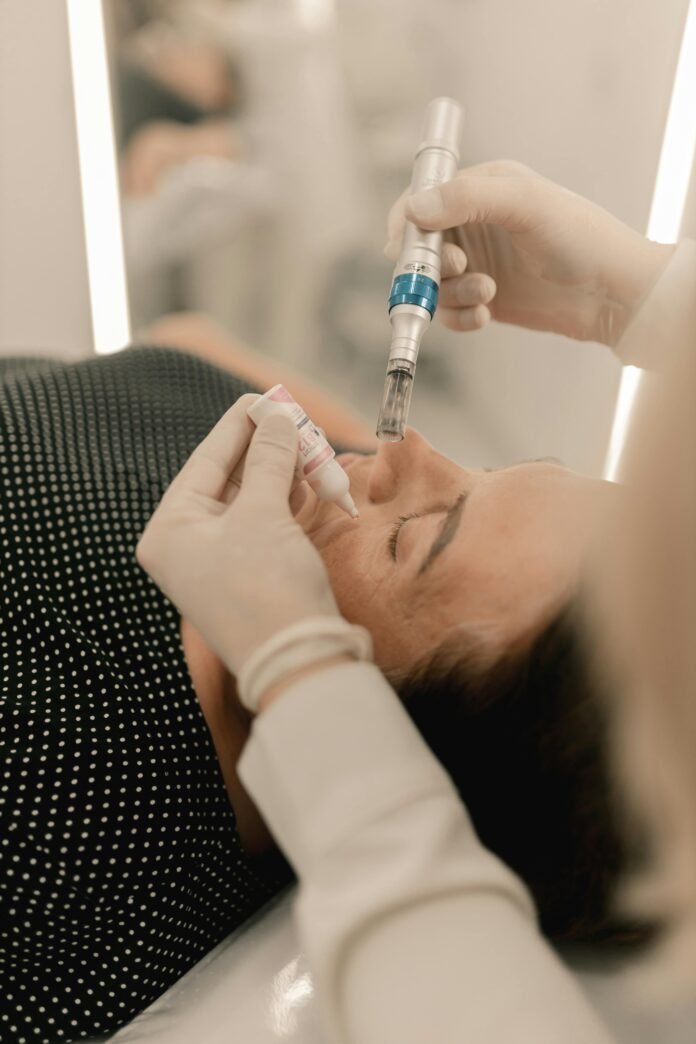

The period immediately after a shower is one of the most critical windows for maintaining hydrated, healthy skin. During bathing, skin loses some of its natural oils and moisture, making it more receptive to topical treatments. However, improper post-shower routines can negate the benefits of your moisturizer, leaving your skin dry, tight, or rough.
This guide provides a comprehensive approach to post-shower hydration, including the science behind absorption, step-by-step rituals, product recommendations, targeted care, seasonal adjustments, and professional tips to achieve long-lasting, supple skin.
1. Understanding Skin’s Absorption Post-Shower
During bathing or showering:
- Hot water and surfactants in soaps or body washes remove excess oil
- The stratum corneum (outermost layer) temporarily becomes more permeable
- Moisture can evaporate quickly if not sealed in
- This creates an ideal opportunity for hydrating products to penetrate effectively
Applying moisturizers or oils immediately after bathing locks in hydration and strengthens the skin barrier.
2. Common Mistakes in Post-Shower Hydration
- Waiting too long: Skin loses water rapidly within minutes after a shower
- Rubbing vigorously: Aggressive drying strips residual moisture
- Using the wrong product: Lightweight lotions may not suffice for dry areas
- Skipping key areas: Elbows, knees, hands, and feet are often neglected
- Ignoring seasonal needs: Winter requires richer creams, summer may need lighter lotions
Correcting these habits significantly improves hydration and overall skin health.
3. Step-by-Step Post-Shower Hydration Ritual
Step 1: Shower Smart
- Use lukewarm water instead of hot water to prevent excessive oil loss
- Choose mild, moisturizing body washes containing glycerin or oatmeal
- Limit shower time to 5–10 minutes to prevent dehydration
Step 2: Gentle Drying
- Pat skin dry with a soft towel; do not rub
- Leave skin slightly damp to enhance absorption
Step 3: Apply Hydrating Products
- Creams & Lotions: Apply immediately to arms, legs, torso
- Body Oils: Use over slightly damp skin to lock in moisture
- Balms & Ointments: Reserve for extra-dry areas like elbows, knees, hands, and feet
Step 4: Massage & Absorb
- Use upward strokes and circular motions
- Focus on high-friction areas to enhance blood flow and absorption
- For hands and feet, consider overnight occlusion with gloves or socks
Step 5: Layering for Maximum Hydration
- Humectant-based lotions first
- Emollients (butters, oils) next
- Occlusives (petrolatum, thick balms) last for extremely dry patches
4. Targeted Care for Key Areas
- Hands: Apply cream after every wash, plus cuticle oil
- Feet: Exfoliate 1–2 times per week, then apply thick cream or balm
- Elbows & Knees: Use richer creams or body butters to soften rough patches
- Torso & Limbs: Lightweight lotion or gel for all-over hydration
By addressing these problem areas immediately post-shower, you prevent roughness, cracks, and dryness.
5. Choosing the Right Products
5.1 Moisturizers
- Look for humectants like glycerin, hyaluronic acid
- Choose emollients (shea butter, cocoa butter) for softness
- Consider ceramides to repair and strengthen the barrier
5.2 Body Oils
- Jojoba, almond, squalane, or argan oils provide occlusive hydration
- Best applied over damp skin to seal in water
5.3 Balms and Ointments
- Petrolatum-based or rich creams for extremely dry areas
- Ideal for hands, feet, elbows, and knees
5.4 Sprays and Mists
- Lightweight option for quick hydration
- Can be layered under creams or oils for additional moisture
6. Seasonal Adjustments
Winter
- Rich creams and body butters to combat low humidity
- Apply immediately after shower to prevent rapid water loss
- Consider overnight treatments with gloves or socks
Spring
- Transition to lighter lotions
- Maintain hydration in fluctuating temperatures
- Include antioxidant-rich products to repair winter skin damage
Summer
- Lightweight, fast-absorbing lotions or gels
- Apply after shower and sun exposure
- Include SPF or after-sun hydrators for protection
Autumn
- Medium-thickness creams to prepare for upcoming cold months
- Repair summer damage and strengthen the skin barrier
7. Enhancing Absorption Techniques
- Apply products while skin is still damp to trap moisture
- Massage using circular motions to stimulate circulation
- Use layering techniques (lotion → oil → occlusive balm)
- Consider short warm compress on very dry areas before applying product
- Regular exfoliation improves penetration of hydrating products
8. DIY Post-Shower Hydration Boosters
- Honey & Oatmeal Paste: Apply immediately after shower to arms, legs, and elbows
- Coconut Oil & Shea Butter: Melt and apply to feet and hands; wear socks/gloves overnight
- Aloe Vera Gel: Cooling and soothing, ideal for sun-exposed skin
- Essential Oil Drops: Mix with carrier oil for added relaxation and skin benefits
9. Professional Post-Shower Hydration Treatments
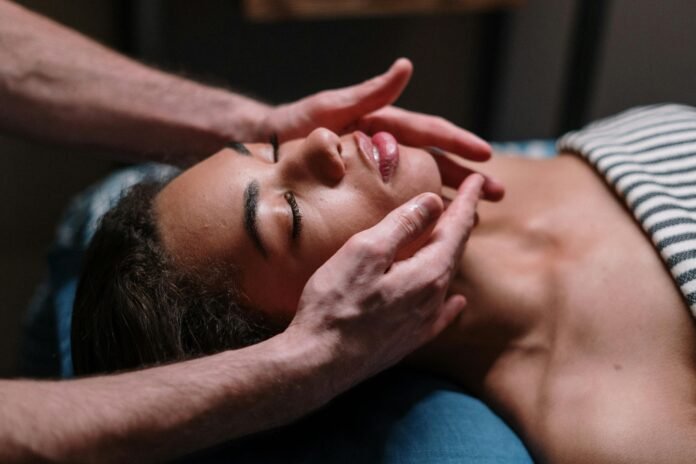
- Spa or salon treatments often combine exfoliation, massage, and deep hydration
- Paraffin hand or foot treatments help seal in moisture
- Professional body masks or wraps can deliver high-concentration humectants and oils
- Treatments provide intensive hydration that complements daily home routines
10. Common Mistakes to Avoid
- Waiting too long after showering to apply moisturizer
- Using products incompatible with skin type or season
- Rubbing skin aggressively, causing micro-tears
- Neglecting hands, feet, elbows, and knees
- Over-relying on water intake alone without topical hydration
11. Combining Post-Shower Rituals With Daily Care
- Morning shower: lighter hydration products for daytime comfort
- Evening shower: richer creams or oils for overnight repair
- Use targeted treatments on dry areas daily
- Maintain exfoliation 1–2 times per week for better absorption
- Track skin health and adjust products seasonally
12. Benefits of Proper Post-Shower Hydration
- Soft, supple skin that resists dryness and roughness
- Enhanced elasticity and barrier function
- Reduced irritation from friction and environmental stress
- Smooth hands, feet, elbows, knees, and torso
- Improved overall appearance and comfort
13. Conclusion
Post-shower hydration is the foundation of effective body care. By understanding the timing, choosing the right products, targeting key areas, and adjusting routines seasonally, you can maximize absorption and maintain healthy, nourished skin. Combining lotions, oils, balms, and masks with massage and gentle exfoliation ensures that every inch of your body stays soft, supple, and resilient.
A consistent post-shower hydration ritual transforms your daily routine from a simple task into a powerful self-care habit, delivering long-term benefits for skin health, comfort, and radiance.