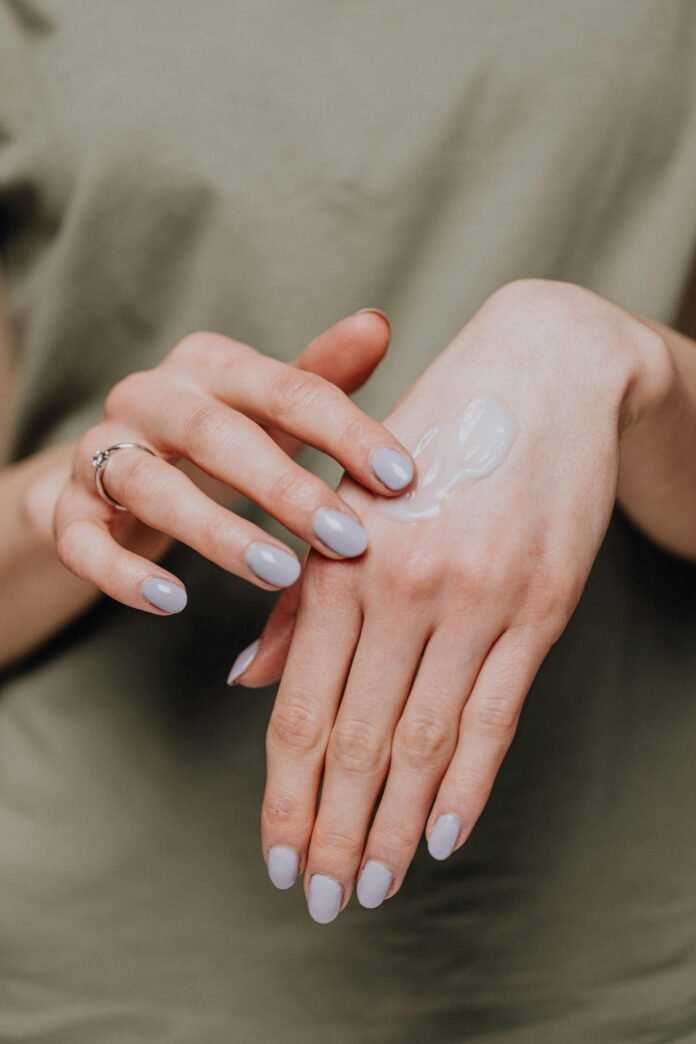
Nail art is no longer just for salons. With the right techniques, tools, and care, you can create beautiful, professional-looking nail designs right at home—without damaging your nails. From minimalist lines to intricate patterns and seasonal trends, at-home nail art allows you to express your style, elevate your self-care routine, and have fun with your hands.
This comprehensive guide will walk you through everything: prepping your nails for art, choosing the right polishes and tools, techniques for precise designs, protecting your nails from damage, and maintaining your manicure so it lasts longer. Whether you’re a complete beginner or a hobbyist looking to refine your skills, this article will help you master creative nail design safely and effectively.
1. Why Nail Art at Home Can Be Safe and Beautiful
Many people hesitate to try nail art because they fear damaging their nails, causing breakage, or staining the nail bed. However, the key is proper nail care and technique:
- Prepping the nail properly
- Using quality tools and products
- Avoiding aggressive filing or peeling
- Applying protective base coats
- Using gentle removal methods
With this approach, nail art can enhance your nails, not harm them.
2. Preparing Your Nails for Art
Proper preparation is critical to ensure your designs stay neat and your nails remain healthy.
2.1 Remove Old Polish
- Use a non-acetone remover for regular polish
- Acetone can be used sparingly but may dry out nails
2.2 Shape Your Nails
- Choose a shape that complements the design
- Round or squoval shapes are beginner-friendly
- File in one direction to prevent splitting
2.3 Buff and Smooth
- Light buffing ensures a smooth canvas
- Avoid over-buffing, which weakens the nail plate
2.4 Push Back Cuticles
- Use a cuticle pusher gently
- Apply cuticle remover if necessary
- Don’t cut live skin
2.5 Apply Base Coat
- Protects nails from staining
- Improves polish adhesion
- Creates a smooth surface for designs
3. Essential Nail Art Tools for Home Use
To create professional-looking designs, invest in a few key tools:
3.1 Nail Brushes
- Fine-tipped for intricate designs
- Flat brushes for gradients and base application
3.2 Dotting Tools
- Create polka dots, floral patterns, and accents
3.3 Striping Tape
- Perfect for clean geometric designs
3.4 Nail Stickers & Decals
- Quick, beginner-friendly option
- Avoid excessive adhesives that peel off layers of nail
3.5 Sponges
- Ideal for gradient effects
3.6 Quality Polishes
- Use flexible, chip-resistant formulas
- Gel polishes can provide longer-lasting designs if used with care
4. Nail Art Techniques for Beginners
4.1 The Simple Dot Design
- Apply a base color
- Use a dotting tool to add contrasting dots
- Finish with a top coat
4.2 Stripes and Lines
- Use striping tape for perfect lines
- Paint over tape and remove while wet
- Great for modern minimalist designs
4.3 Gradient or Ombre Nails
- Apply two colors on a sponge
- Dab gently on nail
- Blend for smooth gradient
- Seal with a glossy top coat
4.4 Simple Geometric Shapes
- Triangles, squares, or diagonal patterns
- Can be done with tape or a fine brush
5. Intermediate Nail Art Techniques
For those who have mastered basics:
5.1 Marble Effect
- Use a water marble technique or drag multiple colors with a thin brush
5.2 Floral Patterns
- Start with a dotting tool for petals
- Layer colors for depth
5.3 Negative Space Designs
- Leave parts of the natural nail visible for a modern look
5.4 Accent Nails
- Paint one nail with a unique design or texture
- Provides a focal point while keeping other nails simple
6. Protecting Nails During Art
Even the best designs can cause damage if nails aren’t protected.
- Always use a base coat
- Avoid peeling decals off directly—soak in remover first
- Limit gel polish frequency to 2–3 weeks apart
- Keep nails hydrated with cuticle oil and hand cream
7. Applying Top Coat Correctly
A top coat is essential for longevity:
- Use a high-quality top coat
- Apply gently without dragging polish
- Seal the free edge of the nail
- Reapply every 2–3 days for extended wear
8. Removing Nail Art Safely
8.1 Regular Polish
- Use acetone-free remover for gentle nails
- Soak cotton pads on nails for a few seconds before wiping
8.2 Gel or Acrylic Designs
- Soak in acetone with foil wraps
- Avoid scraping or peeling
- Hydrate nails afterward
9. Nail Art Inspiration and Trends
- Minimalist designs: Negative space, thin stripes
- Pastel shades: Soft and seasonal
- Floral and botanical: Popular for spring and summer
- Metallic accents: Chrome, gold foils, and glitter
- Seasonal themes: Halloween, Christmas, Valentine’s
Following trends can keep your designs fresh while encouraging consistent nail care.
10. Maintaining Nail Health with Art
Art is only sustainable if nails remain strong:
- Avoid over-buffing
- Hydrate cuticles daily
- Give nails a break from polish 1–2 days weekly
- Use strengthening treatments weekly if nails are prone to breakage
Healthy nails provide a better canvas, making your designs look more professional.
11. Mistakes to Avoid in Nail Art
- Skipping base coat
- Using old or thickened polish
- Pulling off decals or tape harshly
- Ignoring nail damage signs
- Overusing harsh removers
12. DIY Nail Art for Busy Schedules
Even on a tight schedule, you can create beautiful nails:
- Single accent nail designs
- Quick stamping techniques
- Stickers or decals
- Minimalist lines with a thin brush
- Gradient sponging for effortless ombre
13. Tips from Nail Professionals
- Always start with clean, prepped nails
- Thin layers prevent smudging
- Practice on fake nails before trying complex designs
- Hydrate daily—strong nails hold designs better
- Patience is key; rushing ruins polish and precision
14. Creating a Nail Art Kit at Home
Essentials for any level:
- Base and top coat
- 5–10 nail polish colors
- Dotting tools and fine brushes
- Striping tape
- Sponges for gradients
- Cuticle oil and hand cream
- Nail file and buffer
Organizing your kit keeps your process smooth and enjoyable.
15. Final Thoughts: Make Nail Art Part of Your Self-Care
At-home nail art is more than decoration. It’s a creative form of self-expression and a relaxing ritual. By combining proper nail care, safe techniques, and consistent practice, you can achieve professional-quality designs without sacrificing nail health.
Remember:
- Strong nails are the foundation
- Proper prep ensures longevity
- Gentle removal prevents damage
- Hydration keeps nails and cuticles healthy
With the right approach, your nails can be both beautiful and resilient—making every manicure a reflection of your personal style.