Microneedling: Benefits and Safety Tips (2500 words)
Microneedling, also known as collagen induction therapy, has become one of the most popular non-invasive skin treatments in modern skincare. It uses fine needles to create controlled micro-injuries in the skin, stimulating the body’s natural healing response. The result? Improved texture, firmness, and overall skin appearance. While the benefits are impressive, understanding proper usage, safety precautions, and aftercare is essential for achieving optimal results.
1. What is Microneedling?
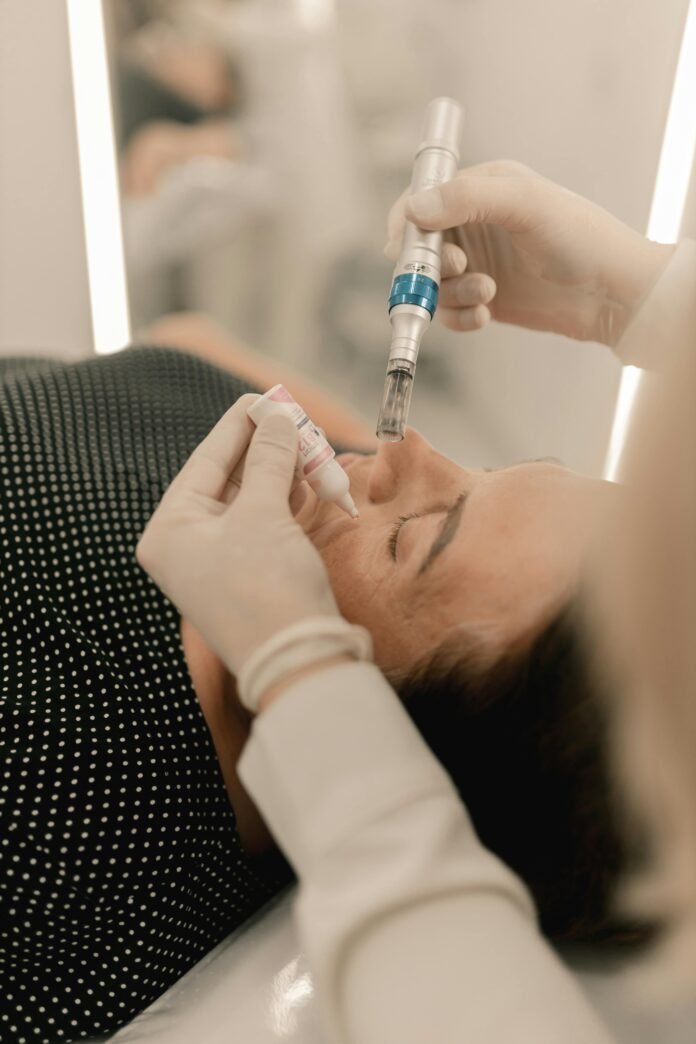
Microneedling involves the use of a device—either a dermaroller, dermapen, or professional clinical tool—equipped with tiny needles that penetrate the skin at precise depths. These micro-injuries trigger collagen and elastin production, key proteins responsible for skin elasticity and strength.
Key purposes of microneedling:
- Improve fine lines and wrinkles
- Reduce acne scars and stretch marks
- Enhance absorption of serums and topical treatments
- Promote overall skin rejuvenation
It is considered minimally invasive and generally safe when performed correctly.
2. How Microneedling Works
2.1 Collagen Induction
- Micro-injuries stimulate the skin’s wound-healing response.
- Fibroblasts produce collagen type I and III, as well as elastin.
- Over time, this improves skin firmness, thickness, and smoothness.
2.2 Enhanced Product Absorption
- Tiny channels allow active ingredients to penetrate deeper layers of the skin.
- Serums with hyaluronic acid, peptides, or antioxidants become more effective.
2.3 Scar and Texture Improvement
- Micro-injuries remodel scar tissue.
- Skin becomes smoother, more even-toned, and less pitted.
3. Types of Microneedling
3.1 At-Home Devices
- Dermarollers with short needles (0.2–0.5 mm).
- Affordable and convenient, but results are gradual.
- Best for maintenance, hydration, and minor texture improvements.
3.2 Professional Microneedling
- Performed by dermatologists or licensed aestheticians.
- Deeper penetration (0.5–2.5 mm) for significant results.
- May include additional therapies such as PRP (platelet-rich plasma) for enhanced collagen stimulation.
3.3 Combination Treatments
- Microneedling with serums, peptides, or growth factors.
- Often combined with chemical peels or laser treatments for optimal outcomes.
4. Benefits of Microneedling
4.1 Anti-Aging Effects
- Reduces appearance of fine lines and wrinkles.
- Firms and tightens loose skin.
- Improves skin elasticity over time.
4.2 Scar and Stretch Mark Reduction
- Stimulates collagen remodeling in acne scars and stretch marks.
- Gradual improvement in texture, smoothness, and overall tone.
4.3 Hyperpigmentation Improvement
- Assists in fading sun spots and uneven pigmentation.
- Works best in combination with brightening serums.
4.4 Enhanced Product Penetration
- Skincare products applied immediately after treatment penetrate 3–5 times deeper.
- Boosts effectiveness of hyaluronic acid, vitamin C, peptides, and growth factors.
4.5 Minimal Downtime
- Compared with laser resurfacing, microneedling has less redness and swelling.
- Most people resume normal activities within 24–48 hours.
5. Safety Considerations
5.1 Choosing the Right Device
- At-home dermarollers: needles ≤0.5 mm.
- Professional microneedling: only under licensed supervision.
- Avoid unregulated or low-quality devices.
5.2 Avoiding Infection
- Sterilize devices before use.
- Do not share devices with others.
- Avoid treatment on broken, inflamed, or infected skin.
5.3 Contraindications
- Active acne, eczema, psoriasis, or open wounds.
- Blood clotting disorders or immunosuppression.
- Recent chemical peels, laser treatments, or other invasive procedures.
5.4 Proper Technique
- Use gentle pressure to avoid trauma.
- Move device in multiple directions for uniform coverage.
- Follow manufacturer or clinician guidelines strictly.
6. Aftercare for Optimal Results
6.1 Immediate Care
- Avoid touching treated areas to reduce infection risk.
- Apply hydrating serums and moisturizers.
- Use gentle, fragrance-free products.
6.2 Sun Protection
- Skin is highly sensitive post-treatment.
- Apply broad-spectrum SPF 30+ daily.
6.3 Avoiding Irritants
- No retinoids, acids, or exfoliants for 48–72 hours.
- Skip heavy makeup for the first 24 hours.
6.4 Hydration and Recovery
- Drink plenty of water.
- Ensure adequate sleep to support natural skin repair.
7. Frequency and Treatment Plans
- At-home devices: once every 1–2 weeks.
- Professional microneedling: 4–6 sessions spaced 4–6 weeks apart.
- Combine with serum or PRP therapy for enhanced results.
- Maintenance sessions every few months sustain results.
8. Combining Microneedling with Other Treatments
- Chemical Peels: Superficial peels can be combined cautiously for exfoliation and collagen stimulation.
- Laser Therapy: Microneedling complements non-ablative laser treatments.
- Topical Growth Factors or PRP: Maximizes collagen induction.
- Hydrating Masks Post-Treatment: Seal in moisture and soothe the skin.
9. Common Mistakes to Avoid
- Overuse of at-home dermarollers, leading to irritation or scarring.
- Applying active ingredients too soon after treatment (risk of sensitivity).
- Skipping sterilization, increasing infection risk.
- Expecting immediate results; collagen remodeling is gradual.
10. Key Takeaways
- Microneedling is a safe and effective treatment for improving texture, firmness, and overall skin quality when used correctly.
- Both at-home devices and professional procedures offer benefits, but professional treatments are ideal for deeper results.
- Post-treatment care, sterilization, and sun protection are essential for safety and optimal outcomes.
- Combining microneedling with serums, masks, or other treatments enhances results, creating a comprehensive skincare routine.
With proper guidance, microneedling can be a game-changing tool in achieving smooth, firm, and youthful-looking skin. Its versatility, minimal downtime, and compatibility with other treatments make it a staple in modern skincare.