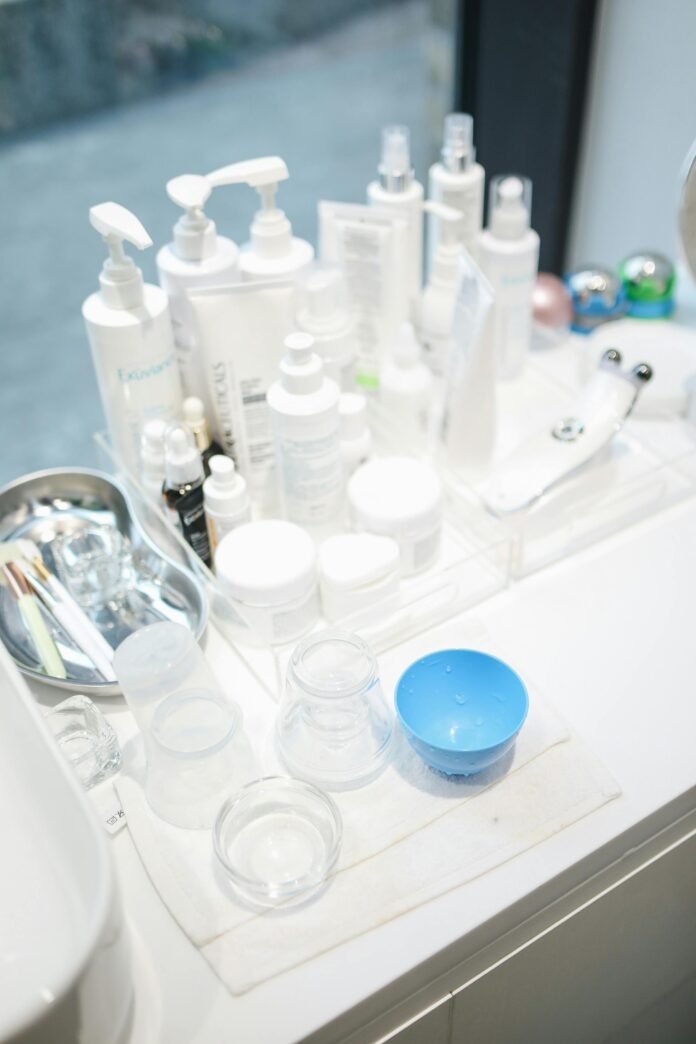

Hands and feet are two of the most hardworking parts of the body, yet they are often neglected in daily skincare routines. Constant exposure to water, environmental stress, friction, and seasonal changes can lead to dryness, cracks, rough patches, and brittle nails. While general body moisturizers help, targeted hydrating treatments for hands and feet provide deep nourishment, restore skin health, and improve appearance and comfort.
This comprehensive guide explores the causes of dryness, effective treatments, professional and DIY options, seasonal adjustments, massage techniques, and preventive strategies to keep your hands and feet soft, smooth, and fully hydrated year-round.
1. Why Hands and Feet Need Special Care
Unlike other parts of the body, hands and feet:
- Have thicker skin, especially on the soles and palms, which naturally lacks oil glands
- Are exposed to repeated friction and pressure, leading to calluses and rough patches
- Frequently contact water, soaps, detergents, and cleaning agents, which strip moisture
- Experience environmental stress such as cold, heat, sun, and wind
- Are prone to cracks, split nails, and cuticle damage
Targeted hydration addresses these challenges by restoring moisture, repairing the barrier, and maintaining elasticity.
2. Common Causes of Dry Hands and Feet
- Environmental factors: Cold winter air, low humidity, sun, and wind
- Daily activities: Washing dishes, cleaning, gardening, or frequent handwashing
- Aging: Reduced natural oil production and slower cell turnover
- Footwear: Tight shoes, socks, and prolonged standing contribute to calluses
- Medical conditions: Eczema, psoriasis, fungal infections, or diabetes
Understanding these causes allows you to select appropriate products and strategies for hydration.
3. Key Ingredients for Effective Hydration
When choosing treatments for hands and feet, look for these components:
- Humectants: Glycerin, hyaluronic acid, and aloe vera to attract and retain water
- Emollients: Shea butter, cocoa butter, almond oil to smooth rough areas
- Occlusives: Petrolatum, dimethicone, or mineral oil to lock in moisture
- Vitamin-rich ingredients: Vitamin E, panthenol, and antioxidants for repair and protection
- Anti-inflammatory agents: Calendula, chamomile, and oat extract to soothe irritation
4. Daily Care Routine for Hands and Feet
A consistent daily routine is essential for long-term results.
4.1 Hand Care
- Wash hands with mild, moisturizing soap
- Pat dry, never rub aggressively
- Apply hand cream 2–3 times per day, especially after washing
- Apply cuticle oil to maintain flexibility and prevent hangnails
4.2 Foot Care
- Wash and gently exfoliate feet with a pumice stone or foot scrub 2–3 times per week
- Apply thick foot cream or balm daily
- Wear cotton socks overnight after applying rich cream for maximum absorption
- Trim nails carefully and hydrate cuticles
5. Hydrating Treatments: At-Home Options
5.1 Overnight Hand & Foot Masks
- Apply a thick layer of cream or oil-based mask
- Wear cotton gloves or socks overnight
- Provides intensive hydration and softens rough skin
5.2 Paraffin Wax Treatments
- Heat paraffin wax and dip hands or feet for 5–10 minutes
- Wax acts as an occlusive layer, locking in moisture
- Helps soften thickened skin and relax muscles
5.3 Soaks and Baths
- Warm water with oatmeal, milk, or a few drops of oils
- Soak for 10–15 minutes, then gently exfoliate
- Follow immediately with moisturizer or oil
5.4 DIY Masks
- Coconut Oil & Honey: Mix and apply to hands and feet, leave 15–20 minutes
- Shea Butter & Almond Oil: Warm and massage into dry patches, leave overnight
- Oatmeal & Yogurt Paste: Lightly exfoliates while hydrating sensitive skin
6. Professional Treatments
Professional spas and salons offer specialized hand and foot treatments:
- Deep moisturizing masks: High-concentration butters, oils, or hyaluronic serums
- Exfoliation and massage: Remove dead skin, soften calluses, and improve circulation
- Paraffin or thermal treatments: Restore elasticity and reduce roughness
- Nail and cuticle care: Strengthening treatments and protective finishes
Professional treatments provide intensive care that can be difficult to replicate at home, especially for severe dryness or thick calluses.
7. Seasonal Adjustments
Winter
- Focus on thick creams, balms, and overnight gloves/socks
- Frequent application after washing hands or exposure to cold
- Paraffin treatments for extra hydration
Spring
- Transition to lighter creams and gel-based treatments
- Repair winter damage and prepare for increased outdoor activity
Summer
- Use lightweight lotions to prevent greasiness
- Hydrate after sun exposure, swimming, or heat-induced sweating
- Cuticle oil to maintain nail health in dry, air-conditioned environments
Autumn
- Reintroduce richer creams to repair summer dryness
- Prepare hands and feet for upcoming cold months
8. Targeted Massage Techniques
Massaging hands and feet enhances hydration absorption and improves circulation:
- Hands: Massage cream from fingers to palms, then wrists
- Feet: Massage from toes to heels, paying attention to arches and ball of foot
- Circular motions help soften thickened skin and stimulate blood flow
- Combine massage with gloves or socks for overnight occlusion
9. Common Mistakes to Avoid
- Neglecting cuticles and nail beds
- Using harsh soaps or alcohol-based sanitizers without moisturizing afterward
- Over-exfoliating, which can damage the skin barrier
- Skipping seasonal adjustments and continuing winter routines in summer
- Not sealing in moisture after treatments
10. Combining Treatments With Daily Routine
- Exfoliate weekly before applying masks or balms
- Layer hydration: cream first, then oil or occlusive balm
- Use targeted treatments for problem areas: heels, elbows, cuticles
- Maintain daily application for long-lasting softness
- Include nail strengthening serums for hand and foot health
11. Signs Your Hands and Feet Are Properly Hydrated
- Skin feels soft and smooth to touch
- Calluses and rough patches are reduced
- Cracks and hangnails are minimized
- Nails and cuticles appear flexible and healthy
- Skin shows improved elasticity and radiance
12. Additional Tips for Long-Term Results
- Keep hands and feet protected from extreme temperatures and harsh chemicals
- Wear appropriate gloves or socks during cold, wet, or cleaning tasks
- Drink sufficient water to support systemic hydration
- Include omega-3 fatty acids and antioxidant-rich foods in your diet
- Schedule professional treatments periodically for maintenance
13. Conclusion
Hands and feet require specialized attention to maintain soft, smooth, and hydrated skin. Daily moisturizing, exfoliation, and targeted treatments—whether at home or professionally—ensure that these hardworking areas remain healthy, comfortable, and aesthetically pleasing. By understanding seasonal needs, selecting the right ingredients, and practicing consistent care, you can prevent dryness, rough patches, and cracks, keeping your hands and feet nourished and radiant year-round.
Investing in hydrating treatments for hands and feet is not just a luxury—it is essential self-care that protects your skin, improves comfort, and enhances overall well-being. With a dedicated routine, you can enjoy touchably soft skin and resilient nails no matter the season.