Dry hands are one of the most common—and most frustrating—skincare concerns. Between handwashing, household chores, seasonal changes, air conditioning, and age, the skin on our hands is constantly under stress. Yet many people struggle to find a hand cream that actually works: one that moisturizes deeply, heals cracked skin, absorbs quickly, and doesn’t leave a greasy film.
This comprehensive guide breaks down everything you need to know about hand creams—from how they work, what ingredients matter, how to choose the right formula for your lifestyle, and the top mistakes people make with hand care. By the end, you’ll know exactly what your hands need and how to pick products you’ll genuinely use every day.
1. Why Hand Creams Matter More Than You Think
Your hands age faster than almost any part of your body.
Why?
Unlike the face:
- Hand skin has fewer oil glands
- The barrier is thinner
- Hands are washed and exposed to water more frequently
- They face intense environmental factors (sun, cold air, detergents)
- Hands experience friction and physical activity constantly
This makes hand creams essential—not optional—if you want:
- Softer skin
- Fewer fine lines
- A protected skin barrier
- Reduced dryness and cracking
- Healthier cuticles and nails
Hand creams do more than hydrate. They actively prevent long-term damage.
2. Understanding What Makes a Hand Cream Effective
Not all hand creams are created equal. Some sit on top of the skin and feel nice for a few minutes, while others penetrate deeply, repair the barrier, and lock in moisture for hours.
To evaluate hand creams, you only need to understand three types of ingredients:
2.1 Humectants (Hydration Attractors)
These draw water into the skin.
Best humectants to look for:
- Glycerin (most effective, deeply hydrating)
- Hyaluronic acid
- Urea (2–10%)
- Sodium PCA
- Panthenol (Pro-vitamin B5)
- Aloe vera
Humectants give immediate plumpness and relief from tightness.
2.2 Emollients (Skin-Smoothers)
These smooth rough texture and soften the skin surface.
Top emollients include:
- Shea butter
- Squalane
- Jojoba oil
- Cocoa butter
- Ceramides
- Fatty alcohols (cetyl, cetearyl alcohol)
Emollients help repair texture and reduce flakiness.
2.3 Occlusives (Moisture Locking Ingredients)
These seal in hydration and prevent water loss—great for very dry or cracked hands.
Best occlusives:
- Petrolatum (Vaseline-quality level)
- Beeswax
- Lanolin
- Mineral oil
If your hands crack in winter, occlusives are your best friend.
The Most Effective Hand Creams Combine All Three Categories
A balanced formula includes:
- Humectants to hydrate
- Emollients to soften
- Occlusives to seal in moisture
This creates long-lasting results instead of temporary relief.
3. Why Your Hand Cream Isn’t Working (Common Mistakes)
You may be using “good” products incorrectly. Here are the top reasons hand creams fail:
3.1 You Only Apply After Hands Feel Dry
By that point, your skin barrier is already compromised.
Solution:
Apply throughout the day, especially after washing. Prevention beats repair.
3.2 You’re Using a Lotion Instead of a Cream
Lotions are too lightweight for stressed hands.
Creams or balms are much more effective.
3.3 You’re Washing Your Hands Too Often With Harsh Soaps
This strips natural oils and damages the protective layer.
Look for formulas labeled:
- Moisturizing
- Gentle
- pH-balanced
- Sulfate-free
3.4 You Don’t Apply Enough Product
Many people apply a tiny amount—but thicker formulas require a generous layer.
3.5 You Skip Cuticle Area
This leads to hangnails, cracking, and uneven texture.
3.6 You Don’t Use It Before Bed
Nighttime is the best time for repair.
3.7 You’re Not Exfoliating Hands
Dead skin blocks moisturizers.
Exfoliate 1–2x per week with:
- AHA hand exfoliant
- Gentle scrub
- Enzyme-based exfoliators
4. The Different Types of Hand Creams—and Which One You Need
Choosing the right hand cream is not one-size-fits-all. Your lifestyle and skin concern determine what works best for you.
4.1 Lightweight Daily Hand Cream (For Frequent Application)
Best for:
- Normal skin
- Office environments
- People who dislike greasy textures
Key ingredients:
- Glycerin
- Squalane
- Shea butter (small amount)
- Ceramides
- Panthenol
Look for fast-absorbing formulas.
4.2 Deep Moisture Repair Hand Cream
Best for:
- Very dry hands
- Flaking, rough texture
- Seasonal dryness
Key ingredients:
- Shea or cocoa butter
- Urea (3–10%)
- Ceramides
- Petrolatum
- Essential fatty acids
These creams often feel richer but have lasting benefits.
4.3 Protective Barrier Cream (For Frequent Hand Washers)
Best for:
- Nurses
- Parents
- Chefs
- Cleaners
- People with sensitive hands
Ingredients to look for:
- Dimethicone
- Petrolatum
- Ceramide complex
- Beeswax
These create a protective film that shields hands from irritation.
4.4 Anti-Aging Hand Cream
Best for:
- Fine lines and crepiness
- Skin thinning
- Age spots
- Sun damage
Key anti-aging ingredients:
- Retinol (low strength)
- Peptides
- Niacinamide
- Vitamin C
- SPF during the day
Anti-aging hand creams are one of the most overlooked but powerful skincare steps.
4.5 Overnight Repair Balms
Best for:
- Deep cracks
- Eczema-prone hands
- Flare-ups
- Extreme dryness
These balms often include:
- Petrolatum
- Lanolin
- High % urea
- Oat extract
- Thick butters
For maximum results, pair with cotton gloves overnight.
5. Ingredient Deep Dive: What Actually Works vs. What’s Marketing
The hand care market has many buzzwords. Let’s break down which ones hold real scientific value.
5.1 Ceramides: Strengthen the Skin Barrier
Ceramides rebuild the protective layer that prevents moisture loss.
Highly effective for:
- Eczema
- Cracked hands
- Weak barrier
- Redness
5.2 Urea: One of the Best Ingredients Ever
Low percentages (2–10%) = gentle hydration
High percentages (20–40%) = keratolytic (removes thick skin)
Helps with:
- Rough patches
- Flaky skin
- Thick fingertips
- Textural bumps
5.3 Shea Butter & Cocoa Butter
A long-lasting emollient that softens and smooths.
Shea = more lightweight
Cocoa = heavier, more occlusive
5.4 Squalane: Lightweight but Powerful
Absorbs quickly and mimics natural skin oils.
Great for people who dislike greasy textures.
5.5 Dimethicone: Protective Silicone Shield
Not harmful—very effective.
Creates a breathable protective barrier.
Ideal for constant handwashing.
5.6 Vitamin C & Niacinamide
Brighten and even out tone, great for anti-aging.
5.7 Avoid These for Sensitive Skin
- Strong fragrance
- Menthol
- High-alcohol formulas
- Essential oils (lemon, peppermint, eucalyptus)
6. How to Apply Hand Cream for Maximum Effect
Yes—there’s a correct way to apply hand cream if you want real results.
6.1 Step-by-Step Method
Step 1: Apply after washing while hands are slightly damp
This helps humectants absorb deeper.
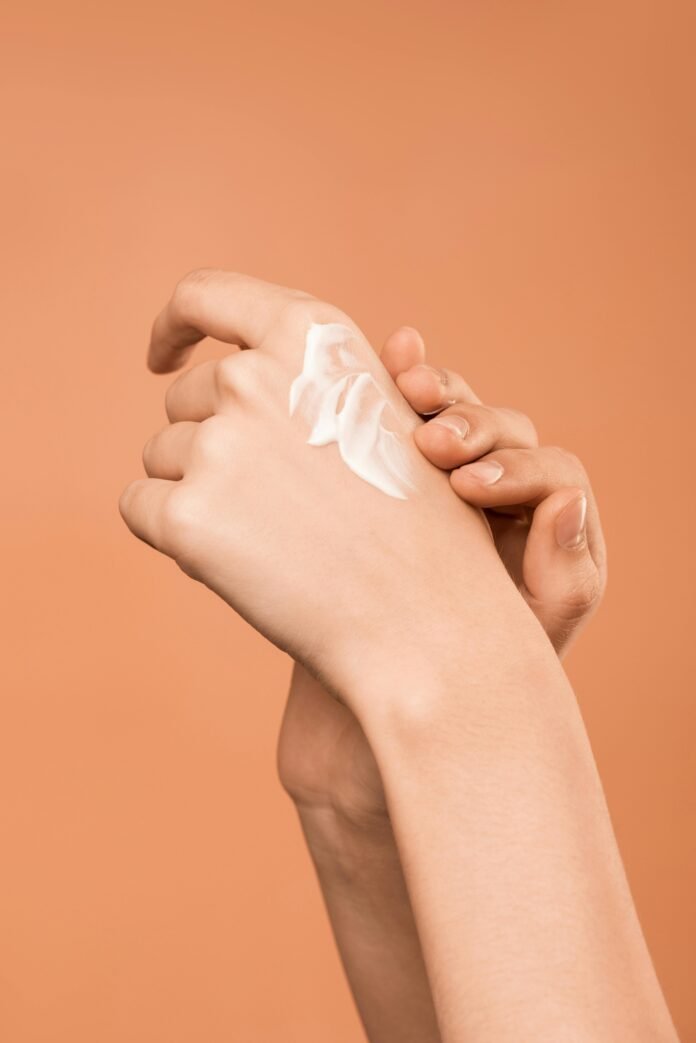
Step 2: Warm a generous amount between your palms
This helps spread evenly.
Step 3: Massage the backs of your hands first
This is where dryness is worst.
Step 4: Focus on the following areas:
- Cuticles
- Knuckles
- Sides of fingers
- Webbing between fingers
Step 5: Finish with the palms
Palms absorb faster and need less product.
6.2 Nighttime Ritual for Repair
At night, use:
- A thick cream or balm
- Cotton gloves for 20+ minutes
- Extra cuticle oil on fingertips
This accelerates healing and reduces morning dryness dramatically.
7. Hand Cream Recommendations (Based on Real Needs)
(You can replace with affiliate links or personal ratings on your blog.)
For extremely dry hands:
- Thick shea butter cream
- Urea 10% cream
- Petroleum-heavy overnight balm
For office or daytime use:
- Lightweight gel-cream
- Silicone barrier cream
- Quick-absorbing formulas
For anti-aging:
- Retinol-infused hand cream
- Vitamin C cream
- SPF hand cream (critical!)
For sensitive skin:
- Fragrance-free formulas
- Oat extract hand cream
- Ceramide-based creams
8. Daily Habits That Keep Hands Soft and Healthy
Creams alone won’t fix everything—your habits matter too.
8.1 Wear Gloves When Doing Chores
Hot water + detergents = instant dryness.
8.2 Apply Hand Cream Every Time You Wash Your Hands
This single habit transforms your skin.
8.3 Use Gentle, Hydrating Hand Soap
Avoid harsh, stripping formulas.
8.4 Avoid Overusing Hand Sanitizer
Alcohol dries your skin—follow with cream immediately.
8.5 Protect Hands From Sun
Hands are prone to sunspots and wrinkles.
Use SPF hand cream during the day.
9. A Simple But Effective Daily Routine
Here’s a routine that works for everyone:
Morning:
- Gentle handwash
- Lightweight SPF hand cream
Daytime:
- Reapply after washing
- Use barrier cream if needed
Evening:
- Nourishing cream or repair balm
- Cuticle oil
- Optional gloves for extra softness
Conclusion: You Can Get Softer, Healthier Hands Starting Today
Finding a hand cream that actually works is not about guesswork or marketing—it’s about understanding ingredients, your skin needs, and daily habits that protect your hands. When you choose the right formula and apply it consistently, your hands stay smooth, youthful, and healthy all year long.
Dry hands don’t have to be your normal.
With the right hand cream and a few simple changes, you can restore comfort, softness, and confidence—one application at a time.