Introduction
Hair masks are a staple for deep conditioning, but not all products are created equal. Knowing which ingredients deliver real results helps you invest in masks that strengthen, hydrate, and revive your hair.
Types of Hair Masks
- Hydrating Masks: Focus on moisture with humectants like glycerin, aloe vera, or hyaluronic acid
- Protein Masks: Rebuild damaged hair with keratin, silk protein, or wheat protein
- Color-Protection Masks: Maintain vibrancy with antioxidants and gentle cleansing agents
- Scalp Masks: Treat dryness, irritation, or buildup
Key Ingredients That Work
- Natural oils: Argan, coconut, jojoba—nourish and smooth
- Butters: Shea and cocoa butter add richness and hydration
- Hydrolyzed proteins: Strengthen and repair the hair shaft
- Botanical extracts: Aloe, chamomile, green tea for soothing and antioxidant benefits
How to Use Hair Masks Effectively
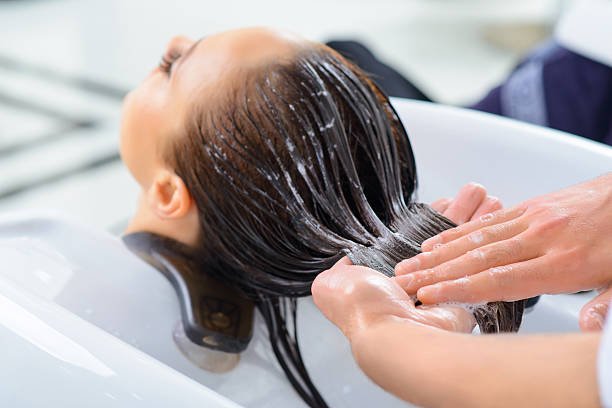
- Apply to clean, damp hair
- Focus on mid-lengths and ends
- Leave on 10–20 minutes (or as directed)
- Rinse thoroughly and follow with conditioner if needed
Frequency and Tips
- Dry/damaged hair: 2–3 times per week
- Normal hair: Once a week
- Avoid masking daily to prevent product buildup
DIY Hair Masks
- Coconut oil + honey for hydration
- Yogurt + egg for protein boost
- Avocado + olive oil for softness and shine
Conclusion
Hair masks are powerful tools for hair health. Choosing masks with effective ingredients, using them correctly, and tailoring frequency to your hair type ensures visible improvement in texture, strength, and shine. Consistency is key.