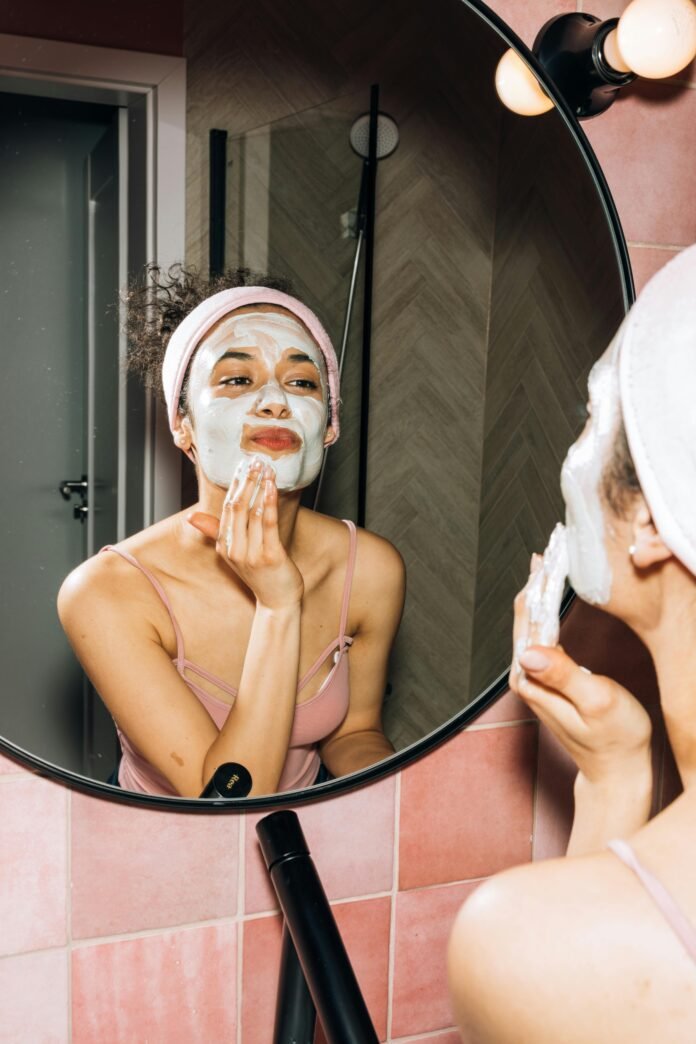
Facial masks have become a cornerstone of modern skincare routines, offering targeted treatments for hydration, detoxification, brightening, and rejuvenation. With the variety of mask types available—clay, sheet, and peel-off—it can be overwhelming to choose the right one. Each type serves a different purpose, has specific benefits, and works best for certain skin types. This guide provides a comprehensive exploration of these three mask categories, helping you make informed choices for radiant, healthy skin.
1. Understanding the Purpose of Facial Masks
Facial masks are designed to deliver concentrated active ingredients to the skin. Unlike daily cleansers or moisturizers, masks provide intense, short-term treatment to address specific skin concerns.
Key benefits include:
- Deep cleansing: Removes impurities, excess oil, and pollutants.
- Hydration: Delivers moisture to dry or dehydrated skin.
- Brightening: Reduces dullness and promotes an even skin tone.
- Anti-aging: Firms skin, improves elasticity, and reduces fine lines.
- Relaxation: Offers a spa-like experience, reducing stress.
Masks are not one-size-fits-all; understanding your skin type and concerns is crucial in selecting the right formula.
2. Clay Masks: Detox and Oil Control
2.1 What Are Clay Masks?
Clay masks are made from natural clays such as kaolin, bentonite, or French green clay. They absorb excess oils, remove impurities, and tighten pores.
2.2 Benefits
- Oil absorption: Ideal for oily or combination skin.
- Deep cleansing: Draws out dirt and toxins from pores.
- Pore refinement: Reduces appearance of enlarged pores.
- Soothing properties: Certain clays (like kaolin) calm irritated skin.
2.3 How to Use Clay Masks
- Cleanse your face before application.
- Apply an even layer to dry skin, avoiding eyes and lips.
- Leave for 10–15 minutes; do not let it dry completely to avoid over-drying.
- Rinse with lukewarm water and follow with a hydrating moisturizer.
2.4 Best Ingredients to Look For
- Bentonite or kaolin clay for oil absorption.
- Aloe vera or chamomile for calming effects.
- Charcoal for additional detoxification.
2.5 Tips and Tricks
- Use 1–2 times per week for oily or combination skin.
- Mix with a few drops of hydrating oil if skin is dry.
- Avoid overuse to prevent dehydration.
3. Sheet Masks: Hydration and Targeted Care
3.1 What Are Sheet Masks?
Sheet masks are fabric sheets soaked in a serum of active ingredients. They are designed for single-use hydration and treatment, providing a full-face application with minimal mess.
3.2 Benefits
- Intense hydration: Excellent for dry and dehydrated skin.
- Convenience: Easy to use, no mixing required.
- Targeted delivery: Ingredients like hyaluronic acid, vitamin C, or peptides penetrate effectively.
- Relaxing ritual: Provides a spa-like, stress-relieving experience.
3.3 How to Use Sheet Masks
- Wash your face and apply toner.
- Carefully unfold the mask and place it on your face.
- Smooth out bubbles to ensure full contact.
- Leave for 15–20 minutes.
- Remove mask, gently massage remaining serum into skin.
- Follow with moisturizer for sealing hydration.
3.4 Ingredients to Look For
- Hyaluronic acid for deep hydration.
- Niacinamide for brightening and even tone.
- Peptides for anti-aging benefits.
- Plant extracts for calming sensitive skin.
3.5 Tips and Tricks
- Use 2–3 times per week or as needed.
- Refrigerate sheet masks for a cooling, de-puffing effect.
- Avoid leaving on too long to prevent drying out.
4. Peel-Off Masks: Exfoliation and Smoothness
4.1 What Are Peel-Off Masks?
Peel-off masks are liquid or gel formulations that dry into a film, which can be peeled away to remove dead skin cells, impurities, and blackheads.
4.2 Benefits
- Exfoliation: Removes dead skin and surface debris.
- Smooth skin texture: Leaves skin feeling soft and refreshed.
- Blackhead and impurity removal: Helps unclog pores.
- Temporary tightening: Skin may feel firmer after use.
4.3 How to Use Peel-Off Masks
- Cleanse your face thoroughly.
- Apply an even layer, avoiding eyes, eyebrows, and lips.
- Allow mask to dry completely (usually 15–20 minutes).
- Gently peel from the edges, rinse residue, and moisturize.
4.4 Ingredients to Look For
- Charcoal for impurities.
- Aloe vera for calming.
- Fruit enzymes (papaya, pineapple) for gentle exfoliation.
- Collagen or peptides for skin elasticity.
4.5 Tips and Tricks
- Use once a week to avoid irritation.
- Test patch first if you have sensitive skin.
- Follow with hydration to restore moisture balance.
5. Comparing the Three Types
| Feature | Clay Masks | Sheet Masks | Peel-Off Masks |
|---|---|---|---|
| Main Purpose | Detox & oil control | Hydration & targeted care | Exfoliation & smoothness |
| Skin Type | Oily, combination | Dry, sensitive, all | Normal, combination |
| Key Benefits | Deep cleanse, pore refining | Intense hydration, ingredient delivery | Dead skin removal, unclog pores |
| Frequency | 1–2x/week | 2–3x/week | 1x/week |
| Ease of Use | Moderate | Easy | Moderate |
Choosing the Right Mask
- Oily skin: Clay mask to absorb excess sebum.
- Dry/dehydrated skin: Sheet mask for intensive hydration.
- Textured/blackhead-prone skin: Peel-off mask for exfoliation.
- Combination approach: Alternate masks based on weekly needs for comprehensive care.
6. Combining Masks in Your Routine
- Double masking: Use a clay mask on the T-zone for oil control, and a sheet mask on cheeks for hydration.
- Post-exfoliation: Follow peel-off masks with sheet masks to replenish moisture.
- Layering hydration: Apply serum and moisturizer after masking for maximum benefit.
7. Seasonal Considerations
- Winter: Sheet masks for hydration, peel-off masks sparingly.
- Summer: Clay masks for oil control, sheet masks for soothing after sun exposure.
- Spring/Autumn: Combination based on skin needs, antioxidants for seasonal stress.
8. Common Mistakes to Avoid
- Leaving masks on longer than recommended.
- Using peel-off masks on sensitive or broken skin.
- Over-relying on clay masks for dry skin.
- Ignoring follow-up hydration.
- Applying masks over makeup or unclean skin.
9. DIY vs. Commercial Masks
- DIY clay masks: Mix kaolin clay with aloe vera or green tea for detox.
- DIY sheet masks: Soak cotton pads in hydrating serums.
- DIY peel-off masks: Gelatin-based masks with honey or fruit extracts.
Pros of commercial masks:
- Consistent ingredient concentrations
- Advanced formulations with peptides, hyaluronic acid, or antioxidants
- Convenient and easy to use
Pros of DIY masks:
- Customizable ingredients
- Cost-effective
- Natural and chemical-free
10. Conclusion
Choosing between clay, sheet, and peel-off masks depends on your skin type, goals, and lifestyle. Clay masks are excellent for oil control and detox, sheet masks provide hydration and targeted active ingredients, and peel-off masks help exfoliate and smooth skin texture. A thoughtful combination, aligned with your weekly skincare routine and seasonal needs, ensures healthy, radiant, and youthful-looking skin.
By understanding the purpose, benefits, and proper usage of each mask type, you can elevate your skincare routine and achieve a spa-like experience at home. Regular use, paired with proper cleansing, hydration, and sun protection, will maximize the benefits of facial masks and maintain long-term skin health.