Introduction: Why Cuticle Care Matters More Than You Think
Cuticles are one of the smallest parts of your hands—yet they play one of the biggest roles in your nail health. Many people ignore them until they become dry, cracked, peeling, or painfully inflamed. Others mistakenly cut too much skin during at-home manicures, thinking it will make their nails look cleaner. But in reality, cuticles are a protective barrier, and improper care can lead to infections, chronic irritation, and nails that break or peel easily.
The good news? You don’t need to be a nail technician or visit a salon weekly to maintain beautiful, healthy cuticles. With the right tools, the right routine, and a gentle approach, you can get stronger nails and smoother, cleaner cuticle lines at home. This article breaks down everything you need to know—including what not to do, how to fix common problems, and professional techniques that are safe to perform yourself.
Let’s dive into the ultimate guide to cuticle care, simplified and made easy.
1. Understanding What the Cuticle Actually Is
Before learning how to care for your cuticles, it helps to understand what they are and why they matter. Many people confuse the cuticle with the surrounding skin, leading to habits that damage instead of protecting.
1.1 The Cuticle
The cuticle is the thin, transparent layer of dead skin that sits on top of the nail plate.
Its job is to seal the space between your skin and the nail, preventing bacteria, fungus, and water from entering. This makes it your nails’ first line of defense.
1.2 The Eponychium
The eponychium is the living skin at the base of your nail—the part that can appear raised or thick when your hands are dry.
This skin is alive, sensitive, and absolutely should not be aggressively cut.
1.3 Why Knowing the Difference Matters
When you mistakenly cut the eponychium thinking it’s “dead cuticle,” you break your protective barrier. This can lead to:
- Redness
- Swelling
- Pain
- Hangnails
- Increased infection risk
- Nail growth problems
- Thicker regrowth (your body tries to “repair” what was removed)
This is why proper cuticle care is more than a cosmetic preference—it’s essential nail health.
2. Golden Rules of Cuticle Care
Cuticle care has many do’s and don’ts, and following these golden rules will help you keep your nails healthy and your cuticles smooth.
2.1 Do Not Cut Living Cuticle Skin
Cutting cuticles used to be a typical salon practice, but modern dermatologists strongly advise against it.
You can trim loose dead skin, but avoid:
- cutting pink, fleshy skin
- pushing too hard
- removing your entire cuticle line
2.2 Hydration Is More Important Than Cutting
A hydrated cuticle rarely looks messy.
Dry cuticles become ragged and lifted, making you feel like they “need to be removed,” when in reality they just need moisture.
2.3 Never Push Cuticles When They’re Dry
Pushing dry cuticles can scratch the nail plate and cause painful tearing. Always soften first.
2.4 Avoid Picking or Pulling Cuticles
Even if a tiny piece of skin feels annoying, pulling it can tear deeper layers, causing inflammation or infection.
2.5 Be Gentle and Consistent
Small daily habits beat aggressive occasional treatments.
Think of cuticle care like skincare—slow and steady wins.
3. Tools You Need for Safe, Salon-Level Cuticle Care
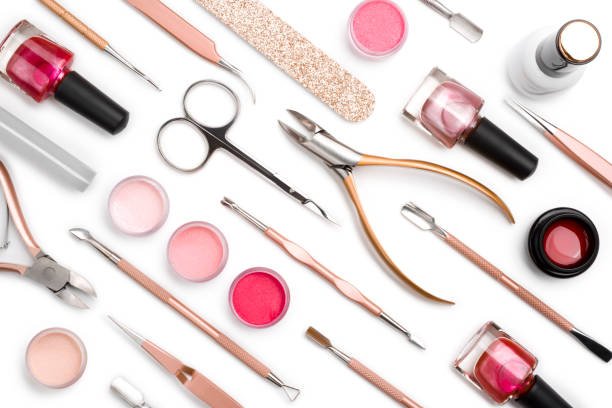
You don’t need a drawer full of tools. A small set of high-quality items is enough for perfect at-home results.
3.1 Cuticle Pusher
A cuticle pusher helps gently nudge softened cuticles back.
Wooden (Orange Stick)
- Best for beginners
- Affordable
- Disposable and hygienic
- Gentle on sensitive nails
Metal Pusher
- Durable
- Great for thicker cuticles
- Must be used carefully
- Requires pre-softening the cuticle
Pro tip: Always hold the pusher at a 30-degree angle and use light pressure.
3.2 Cuticle Nippers
Use nippers only to trim dead skin, not living tissue.
They are good for removing:
- loose skins
- hangnails
- tiny cuticle flakes
- ragged edges
Choose stainless steel, sharp, professional-grade tools to avoid pulling and tearing.
3.3 Cuticle Remover (Chemical Exfoliant)
A cuticle remover softens dead skin so you can push gently without forcing anything.
Common active ingredients:
- AHAs (lactic acid)
- Urea
- Potassium hydroxide
Benefits:
- dissolves dead skin
- makes pushing easier
- reduces overcutting
- smooths the cuticle line
- prevents hangnails
3.4 Cuticle Oil (The Star of Cuticle Care)
Cuticle oil is the single most important step for long-term health.
Look for oils with:
- Jojoba oil
- Vitamin E
- Avocado oil
- Almond oil
- Squalane
Daily use:
- prevents cracking
- softens the cuticles
- reduces hangnails
- strengthens nails
- improves flexibility
- gives a naturally moisturized shine
3.5 Nail Buffer
A gentle nail buffer helps smooth rough edges around the cuticle area and enhances nail appearance.
3.6 Optional Tools
- Warm water soaking bowl
- Hand cream
- Exfoliating scrub
- Electric cuticle remover (for advanced users)
- Soft manicure brush
4. How to Do a Professional Cuticle Routine at Home
This step-by-step routine gives salon-quality results while protecting the health of your nails.
4.1 Step 1: Wash Your Hands Gently
Use a mild soap with hydrating ingredients like glycerin or oat extract.
Avoid extremely hot water.
4.2 Step 2: Soak to Soften
Soak your fingertips in warm water for 3–5 minutes.
Optional add-ins:
- a drop of gentle soap
- a teaspoon of olive oil
- a few drops of cuticle oil
This softens dead skin, making the next steps safer and easier.
4.3 Step 3: Apply Cuticle Remover
Apply a thin layer to the cuticle area and let it sit for 1–2 minutes (or follow product instructions).
Avoid getting it on open cuts.
4.4 Step 4: Gently Push Back Cuticles
Use a wooden or metal pusher and apply light pressure.
Tips:
- push, don’t scrape
- follow the natural curve of the nail
- stop if you feel resistance
This step should never feel painful.
4.5 Step 5: Trim Only Loose Dead Skin
Use cuticle nippers to remove:
- hangnails
- lifted dead skin
- thin white flakes
Avoid cutting living skin—the pinker the skin, the more alive it is.
4.6 Step 6: Exfoliate (Optional but Effective)
A soft scrub removes leftover dead skin and smooths the edges.
DIY scrub:
- 1 tbsp sugar
- 1 tsp honey
- a few drops of jojoba oil
Massage 20–30 seconds.
4.7 Step 7: Apply Cuticle Oil Generously
Massage it into the nail plate, cuticle, and surrounding skin.
This step seals hydration and promotes healthier nail growth.
4.8 Step 8: Finish with Hand Cream
Seal the moisture with a nourishing cream containing:
- ceramides
- shea butter
- glycerin
- squalane
This completes the routine.
5. How to Fix Common Cuticle Problems
Cuticles often signal what your nails need. Here’s how to address the most common issues.
5.1 Dry, Cracked Cuticles
Causes:
- cold air
- dehydration
- frequent washing
- lack of oil
Fix:
- apply cuticle oil 2–4 times a day
- use hand cream after every wash
- avoid alcohol-based sanitizers when possible
5.2 Hangnails
Causes:
- dryness
- friction
- picking
- cutting too much skin
Fix:
- trim only the loose part
- apply oil daily
- stop pulling at your skin
5.3 Inflamed or Red Cuticles
This may be caused by:
- too much pushing
- overcutting
- allergic reaction
- infection
Fix:
- stop cutting
- switch to gentler products
- avoid harsh chemicals
- apply oil + cream
- if infected: use antibacterial ointment
5.4 Thick, Overgrown Cuticles
This is usually caused by chronic dryness.
Once hydrated, they naturally soften and shrink.
Fix:
- exfoliate weekly
- use cuticle remover
- apply oil daily
6. Anti-Aging Cuticle Care
Cuticles can show age just like skin on your hands.
Tips for youthful-looking cuticles:
- apply oil daily
- use retinol hand cream (avoid cuticle edges if sensitive)
- wear gloves in cold weather
- use SPF on hands
- avoid harsh soaps
Hydrated cuticles appear smoother, thinner, and healthier.
7. Daily Habits That Keep Cuticles Healthy
Small habits = big results.
- Apply hand cream after every wash
- Use cuticle oil at least once a day
- Wear gloves while cleaning
- Avoid metal tools on dry skin
- Don’t peel, pull, or bite cuticles
- Keep a mini oil pen in your bag
Consistency is everything.
8. Common Myths About Cuticle Care (Debunked)
Myth 1: Cuticles must be cut to look clean
False. Hydration and gentle pushing are safer and look better long-term.
Myth 2: Cuticle oil is optional
Cuticle oil is essential for strength, flexibility, and preventing hangnails.
Myth 3: Picking is harmless
Picking can cause deeper tears, infections, and painful inflammation.
Myth 4: Salon cuticle removal is always safe
Many salons still overcut. Always ask for gentle pushing, not aggressive cutting.
9. Final Routine Summary (Easy Version)
Daily:
- Apply cuticle oil
- Use hand cream
Weekly:
- Soak
- Apply remover
- Push gently
- Trim loose skin
- Exfoliate
Always:
- Be gentle
- Keep skin hydrated
- Avoid harsh cutting
Conclusion
Cuticle care doesn’t need to be complicated or intimidating. With the right tools, consistency, and a gentle approach, you can maintain beautiful, healthy hands and strong nails without relying on salons. The more you hydrate and protect your cuticles, the less work they require in the long run. Treat them like the protective barrier they are—and they’ll reward you with smoother skin, stronger nails, and a polished look every day.