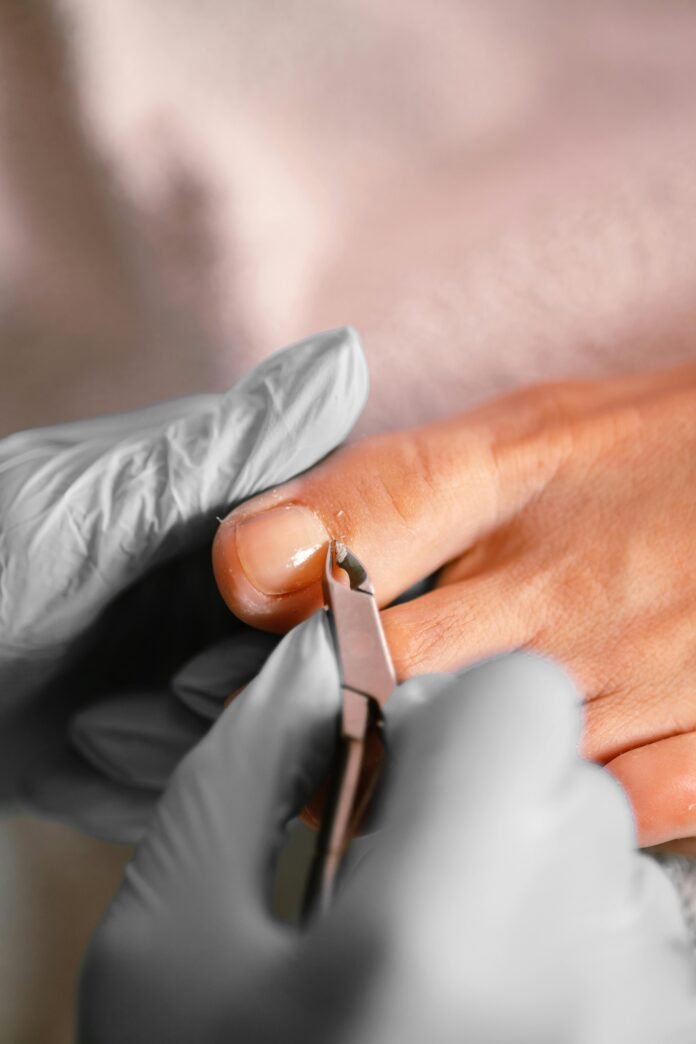
Cuticles are often overlooked, yet they play a crucial role in nail health. A well-maintained cuticle protects the nail matrix, prevents infection, supports healthy growth, and makes manicures look polished. Neglecting them can lead to hangnails, infections, peeling nails, and weak nail beds.
This comprehensive guide explores the anatomy of cuticles, why they matter, common mistakes, professional techniques, and step-by-step routines for maintaining soft, healthy cuticles at home. By the end, you’ll understand how proper cuticle care is essential for stronger, more beautiful nails.
1. Understanding Cuticle Anatomy
The cuticle is the thin layer of skin at the base of the nail. Its main function is to seal the nail matrix from bacteria and moisture loss.
Key structures:
- Eponychium: The living tissue that forms the protective barrier at the nail base. Do not cut aggressively.
- Proximal nail fold: Skin fold at the base of the nail; the cuticle sits over it.
- Hyponychium: Skin under the free edge, supporting nail stability.
A healthy cuticle ensures nails grow smooth, strong, and unbroken.
2. Why Cuticle Care Matters
Neglecting cuticles can cause:
- Hangnails
- Peeling nails
- Fungal or bacterial infections
- Slow growth or nail deformities
Proper care:
- Protects the nail matrix
- Reduces nail splitting
- Enhances nail appearance
- Makes manicures last longer
3. Common Cuticle Mistakes
Many people damage their nails by misunderstanding cuticle care:
3.1 Cutting Live Cuticle Skin
- Cutting live tissue can lead to infection and permanent nail damage.
- Avoid aggressive trimming; focus on softening and gentle pushing instead.
3.2 Using Harsh Products
- Nail polishes, removers, or soaps with strong chemicals dry cuticles.
- Frequent acetone use without hydration can thin cuticle skin.
3.3 Ignoring Hydration
- Dry cuticles crack easily.
- Regular moisturizing prevents hangnails and peeling.
3.4 Pulling or Peeling Cuticles
- Leads to micro-tears and infections.
- Never forcibly remove cuticles.
4. Cuticle Care Tools You Should Have
A basic cuticle care kit includes:
- Cuticle oil (jojoba, vitamin E, almond, or argan oil)
- Cuticle remover or softener gel
- Wooden or metal cuticle pusher (rounded, gentle)
- Soft nail brush for cleaning
- Cotton pads or swabs
Optional tools for advanced care:
- Cuticle nippers (only for dead skin, not live cuticle)
- Exfoliating scrub for cuticles
- Overnight gloves to lock in oil
5. Step-by-Step Cuticle Care Routine
Proper routine ensures soft, healthy cuticles without damage.
5.1 Step 1: Soften Cuticles
- Soak hands in warm water for 3–5 minutes.
- Optional: add 1 tsp olive oil or mild hand soak.
- This hydrates and loosens cuticle tissue for gentle manipulation.
5.2 Step 2: Apply Cuticle Remover (Optional)
- Use a gentle gel to soften stubborn cuticles.
- Leave for 1–2 minutes.
- Avoid overuse; daily use is unnecessary.
5.3 Step 3: Push Back Cuticles
- Use a rounded cuticle pusher.
- Push gently toward the nail base.
- Never scrape aggressively.
- Technique: hold the pusher at a 45° angle, use light pressure.
5.4 Step 4: Remove Dead Skin (If Needed)
- Only remove clearly dead skin around cuticles.
- Use cuticle nippers sparingly.
- Avoid trimming live tissue.
5.5 Step 5: Hydrate and Protect
- Apply cuticle oil to each nail.
- Massage in circular motions for 30–60 seconds.
- Follow with a nourishing hand cream.
Hydrated cuticles are flexible, resilient, and infection-resistant.
6. Best Ingredients for Cuticle Health
- Jojoba Oil: Penetrates nail plate, strengthens and softens
- Vitamin E: Heals dry, cracked cuticles
- Almond Oil: Rich in vitamins for repair
- Shea Butter: Occlusive, prevents moisture loss
- Glycerin: Humectant that attracts hydration
- Hyaluronic Acid: Deep hydration
- Tea Tree Oil (diluted): Helps prevent fungal issues
7. Nighttime Cuticle Care Routine
Nighttime is optimal for repair:
- Apply cuticle oil generously.
- Massage oil into cuticles and nails.
- Apply a thick hand cream over top.
- Optionally, wear cotton gloves to lock in moisture overnight.
Results: softer cuticles, fewer hangnails, and stronger nails.
8. Professional Tips for Cuticle Maintenance
- Push cuticles once a week or as needed
- Avoid cutting live tissue
- Use oils daily, especially after washing hands
- Do not peel hangnails; clip gently with sanitized nippers
- Give nails a break from polish to allow natural cuticle repair
- Avoid aggressive manicures with harsh chemicals
9. DIY Cuticle Treatments
9.1 Honey and Olive Oil Soak
- Mix 1 tsp honey + 1 tsp olive oil
- Warm slightly, soak nails for 5–10 minutes
- Massage, then rinse and apply cuticle oil
9.2 Coconut Oil Massage
- Massage warmed coconut oil around nails daily
- Strengthens cuticle and prevents dryness
9.3 Vitamin E Capsules
- Puncture capsule, apply oil to cuticles
- Massage for deep hydration
10. How Cuticle Care Supports Overall Nail Health
Healthy cuticles:
- Protect the nail matrix
- Promote smooth nail growth
- Reduce peeling and breakage
- Make manicures last longer
- Prevent infections
Neglected cuticles compromise nail integrity and can make even a professional polish look messy.
11. Common Questions About Cuticle Care
Q1: Can I trim my cuticles?
- Only remove dead skin; never cut live tissue.
Q2: How often should I push back cuticles?
- Once a week is sufficient.
Q3: What if I have hangnails?
- Clip gently with sanitized nippers; hydrate regularly.
Q4: Can cuticle oil replace hand cream?
- Oil nourishes cuticles specifically, but hand cream hydrates the surrounding skin.
Q5: Should I use cuticle remover daily?
- No; overuse can irritate skin.
12. Integrating Cuticle Care Into Your Manicure
- Always soften cuticles first
- Push back gently before applying base coat
- Apply oil after finishing your manicure for flexibility and longevity
- Use barrier creams if frequently washing hands or applying harsh chemicals
This creates nails that not only look great but are structurally strong and healthy.
13. Signs of Cuticle Damage
- Dry, cracked skin around nail
- Hangnails and peeling
- Redness or swelling
- Pain at nail base
- Slow or irregular nail growth
Immediate hydration and gentle care can reverse minor damage. Persistent issues may require dermatologist consultation.
14. Conclusion
Cuticle care is foundational for nail health. Strong, beautiful nails start at the base. By following proper techniques, using nourishing oils and creams, and avoiding harmful habits, you can maintain healthy cuticles, reduce hangnails, and support long-lasting, professional-looking manicures. Consistent care leads to stronger nails, improved growth, and hands that look elegant and well-groomed every day.