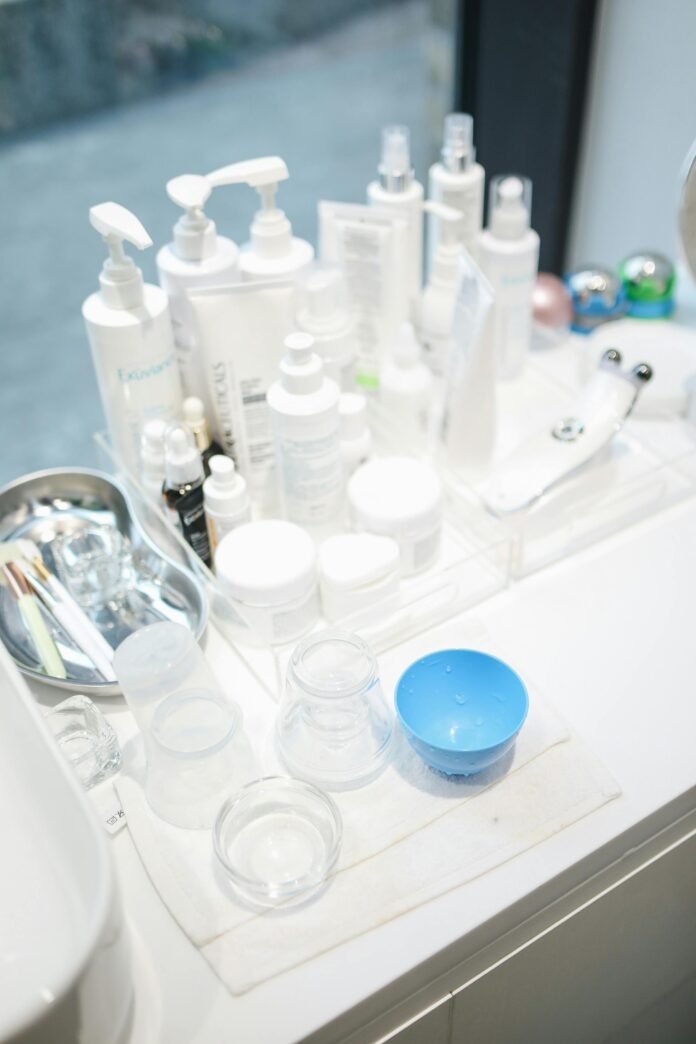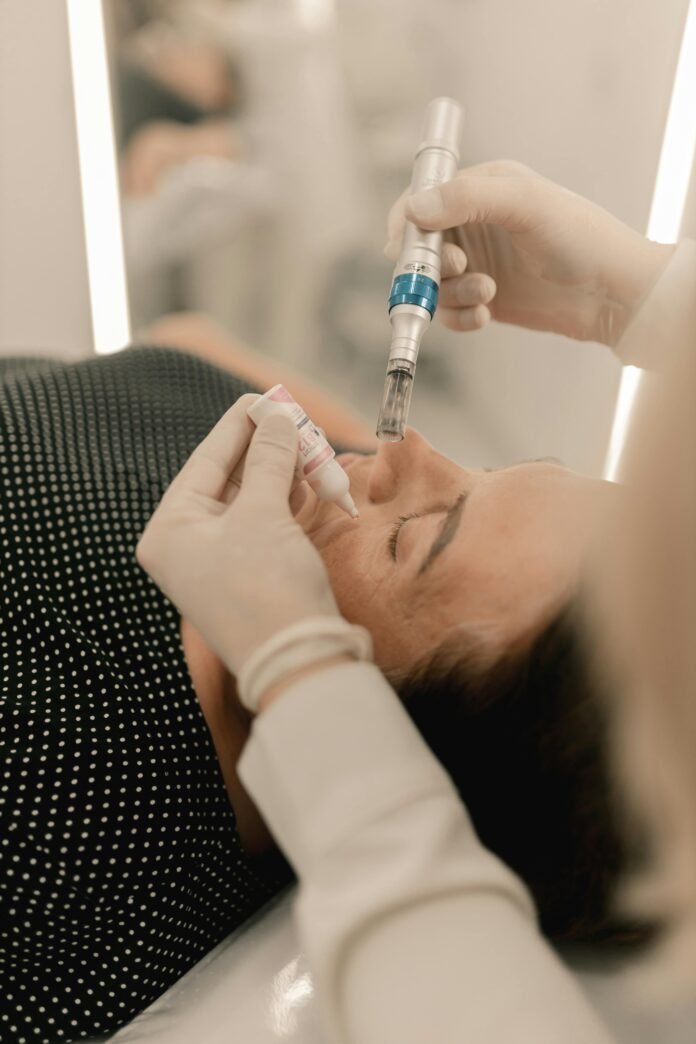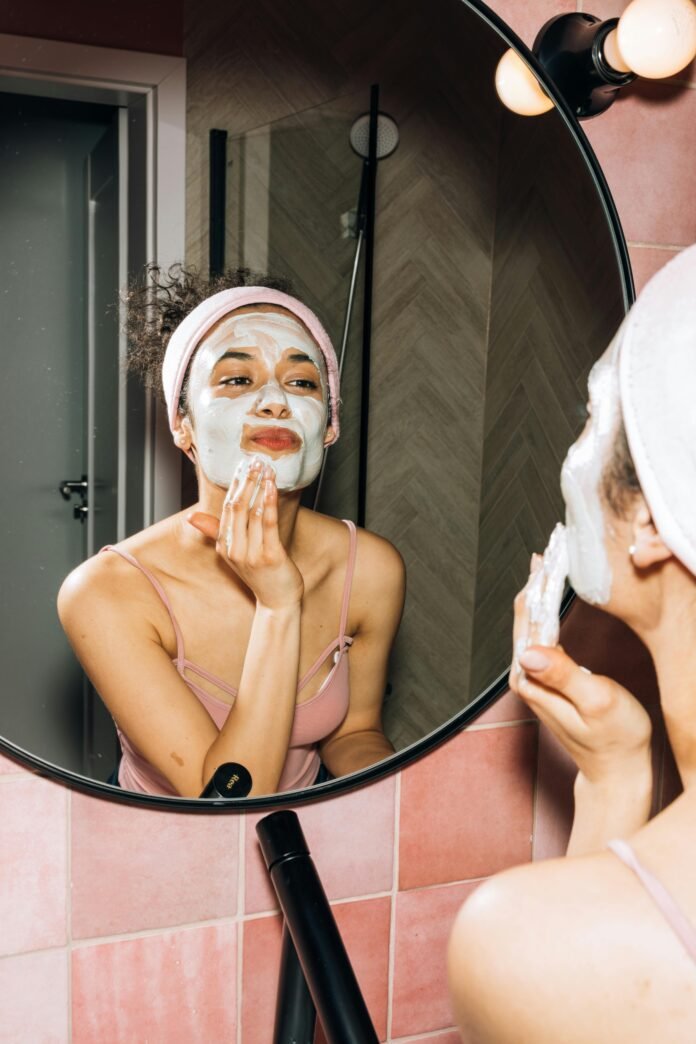
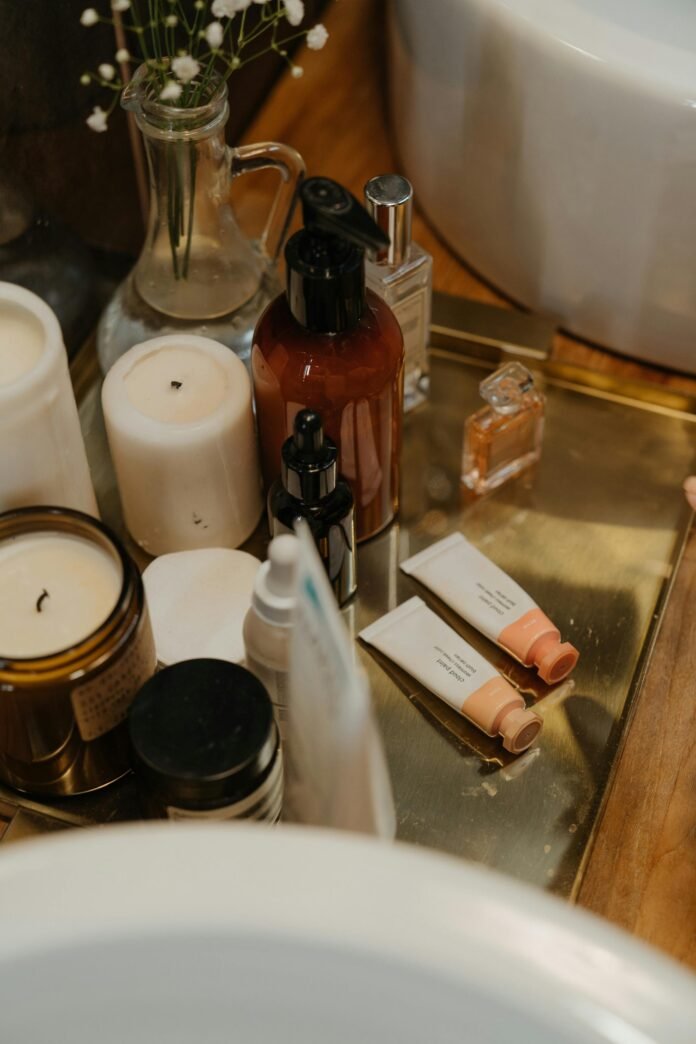
In recent years, clean beauty has become a defining trend in skincare and cosmetics. Consumers are increasingly concerned about what they put on their skin, seeking products that are effective, safe, and free from harmful chemicals. However, the term “clean” is not strictly regulated, which can lead to confusion and marketing claims that don’t always reflect product safety or efficacy. Understanding ingredients to love and ingredients to avoid is key to creating a skincare routine that is both safe and effective.
1. What Clean Beauty Really Means
Clean beauty emphasizes:
- Transparency: Brands disclose ingredient sources and functions.
- Safety: Formulas avoid harmful or potentially toxic chemicals.
- Efficacy: Ingredients are active and provide visible results, not just marketing claims.
- Sustainability: Packaging and sourcing practices reduce environmental impact.
Unlike organic skincare, clean beauty doesn’t require natural ingredients but focuses on non-toxic, skin-friendly formulations.
2. Ingredients to Love: Beneficial and Safe
2.1 Hydrators
Hydration is foundational in clean beauty routines:
- Hyaluronic Acid: Holds up to 1,000 times its weight in water, deeply hydrating and plumping skin.
- Glycerin: A plant-derived humectant that draws moisture into the skin.
- Squalane: Lightweight oil that restores the skin barrier without clogging pores.
Why we love them: They maintain moisture, improve texture, and are generally non-irritating for all skin types.
2.2 Antioxidants
Antioxidants protect against free radicals and environmental stressors:
- Vitamin C (Ascorbic Acid): Brightens skin and stimulates collagen production.
- Vitamin E (Tocopherol): Moisturizes while protecting against oxidative stress.
- Green Tea Extract & Polyphenols: Soothing, anti-inflammatory, and protective.
Why we love them: They prevent premature aging, reduce pigmentation, and strengthen skin resilience.
2.3 Barrier-Strengthening Ingredients
A healthy skin barrier prevents sensitivity and irritation:
- Ceramides: Reinforce the lipid barrier, locking in moisture.
- Niacinamide (Vitamin B3): Improves barrier function, regulates oil production, and reduces redness.
- Panthenol (Vitamin B5): Moisturizes, heals, and soothes skin.
Why we love them: These ingredients support long-term skin health, prevent dehydration, and calm inflammation.
2.4 Gentle Exfoliants
Clean beauty favors mild exfoliation:
- Lactic Acid & Mandelic Acid: Alpha hydroxy acids that promote cell turnover without aggressive irritation.
- PHA (Polyhydroxy Acids): Suitable for sensitive skin; gently exfoliates while hydrating.
Why we love them: They improve skin texture, brighten dullness, and minimize clogged pores safely.
2.5 Soothing Botanicals
Botanical extracts can calm irritated skin:
- Centella Asiatica: Reduces inflammation and aids skin repair.
- Chamomile & Aloe Vera: Soothing and hydrating, ideal for sensitive skin.
Why we love them: Gentle and effective for redness, dryness, and barrier repair.
3. Ingredients to Avoid: Harmful or Controversial
Certain ingredients are considered potentially harmful or irritating in clean beauty principles:
3.1 Harsh Surfactants
- Sodium Lauryl Sulfate (SLS) & Sodium Laureth Sulfate (SLES): Stripping, can damage the skin barrier.
Impact: Dryness, irritation, and sensitization.
3.2 Synthetic Fragrances
- Artificial scents may cause allergic reactions or irritation.
- Even labeled “fragrance-free” can contain masking agents.
Impact: Redness, inflammation, and heightened sensitivity, especially in sensitive or acne-prone skin.
3.3 Parabens
- Common preservatives like methylparaben or propylparaben.
Impact: Potential endocrine disruption and irritation in sensitive individuals, though research is ongoing.
3.4 Phthalates
- Often used as plasticizers or fragrance carriers.
Impact: Potential hormonal interference; best avoided in long-term skincare.
3.5 Formaldehyde Releasers
- DMDM Hydantoin, Imidazolidinyl Urea: Preservatives that release small amounts of formaldehyde.
Impact: Skin irritation, allergic reactions, and potential toxicity concerns.
3.6 Mineral Oils & Petrolatum (in Some Contexts)
- Highly refined oils may occlude pores and interfere with natural skin function.
- While generally safe, some clean beauty advocates prefer plant-based alternatives like squalane.
4. How to Build a Clean Beauty Routine
Step 1: Gentle Cleansing
- Choose sulfate-free cleansers with hydrating and barrier-supporting ingredients.
- Example: Glycerin-based foams or mild cream cleansers.
Step 2: Hydration & Treatment
- Apply hyaluronic acid serum or plant-based hydrating toners.
- Target concerns with antioxidants, peptides, or barrier-supporting ingredients.
Step 3: Moisturization
- Use ceramide-rich creams or oils like squalane.
- Lock in hydration while strengthening the barrier.
Step 4: Sun Protection
- Broad-spectrum SPF 30+ daily is non-negotiable.
- Many clean beauty brands include mineral sunscreens (zinc oxide, titanium dioxide).
Step 5: Weekly Treatments
- Gentle exfoliation 1–2 times a week.
- Hydrating or soothing masks to replenish moisture and calm skin.
5. Reading Labels Like a Pro
Tips to identify clean beauty products:
- Look for transparent ingredient lists; avoid ambiguous terms like “fragrance” or “parfum.”
- Research unfamiliar ingredients using reputable databases.
- Favor multi-functional ingredients that hydrate, protect, and soothe.
- Check certifications (EWG Verified, COSMOS, or cruelty-free) but don’t rely solely on logos.
6. Clean Beauty Myths
Myth 1: Natural Equals Safe
- Not all natural ingredients are non-irritating; essential oils can trigger reactions.
Myth 2: Clean Beauty Can’t Be Effective
- Modern formulations combine science-backed actives with safe ingredients.
Myth 3: Expensive = Clean
- Price doesn’t guarantee non-toxic, effective ingredients; read labels carefully.
7. Balancing Efficacy and Safety
Clean beauty is about mindful selection, not total avoidance of all chemicals. The goal is to:
- Avoid known irritants or controversial ingredients.
- Include active, skin-beneficial compounds like antioxidants, hydrators, and barrier-supporting molecules.
- Tailor routines to skin type, age, and sensitivity.
Tip: Start with the basics (cleanser, moisturizer, SPF) and add treatments gradually.
8. Lifestyle Factors Supporting Clean Beauty
- Nutrition: Antioxidant-rich foods support skin health from within.
- Hydration: Drinking water complements topical hydration.
- Sleep: Allows skin repair and regeneration.
- Stress management: Reduces inflammatory responses that worsen skin concerns.
9. Conclusion
Clean beauty is more than a trend—it’s a philosophy prioritizing safety, transparency, and efficacy. By understanding:
- Ingredients to love: Hyaluronic acid, ceramides, antioxidants, soothing botanicals.
- Ingredients to avoid: Harsh surfactants, synthetic fragrances, parabens, phthalates, formaldehyde releasers.
Consumers can build skincare routines that are both safe and effective, tailored to their individual skin needs. Clean beauty empowers you to achieve healthy, radiant, and resilient skin while avoiding unnecessary exposure to potential irritants or toxins. With consistent care and thoughtful product choices, clean beauty becomes a sustainable and mindful approach to long-term skin health.