When it comes to full-body hydration, the debate between body oils and creams is common. Both can provide deep moisture, but understanding the differences, benefits, and ideal usage can help you choose the perfect option—or even combine them for optimal skin health.
This comprehensive guide explores the science behind body oils and creams, their ingredients, skin compatibility, seasonal adjustments, techniques for application, DIY options, and professional tips. By the end, you’ll know exactly how to maximize hydration while keeping your skin soft, supple, and radiant.
1. Understanding Skin Hydration
Skin hydration is more than just applying a product. Healthy, moisturized skin relies on:
- Water content: Maintained in the epidermis by natural moisturizing factors (NMFs)
- Lipids: Protect the skin barrier and prevent water loss
- Elasticity and texture: Smooth, flexible skin resists dryness and irritation
Products like body oils and creams work by replenishing lipids, providing moisture, and protecting the skin barrier. Choosing the right product depends on your skin type, season, and lifestyle.
2. What Are Body Creams?
Body creams are emulsions of water and oils, often containing humectants, emollients, and occlusives.
2.1 Key Ingredients
- Water: Provides hydration
- Humectants: Glycerin, hyaluronic acid, urea
- Emollients: Squalane, shea butter, fatty acids
- Occlusives: Petrolatum, dimethicone, mineral oil
2.2 Benefits
- Quickly absorbs and hydrates
- Provides balanced moisture for most skin types
- Lightweight options are great for daytime use
- Can contain additional active ingredients like vitamins, antioxidants, and soothing agents
2.3 Ideal Skin Types
- Normal to dry skin
- Sensitive skin (choose fragrance-free or hypoallergenic options)
- Skin prone to roughness but not extreme dehydration
3. What Are Body Oils?
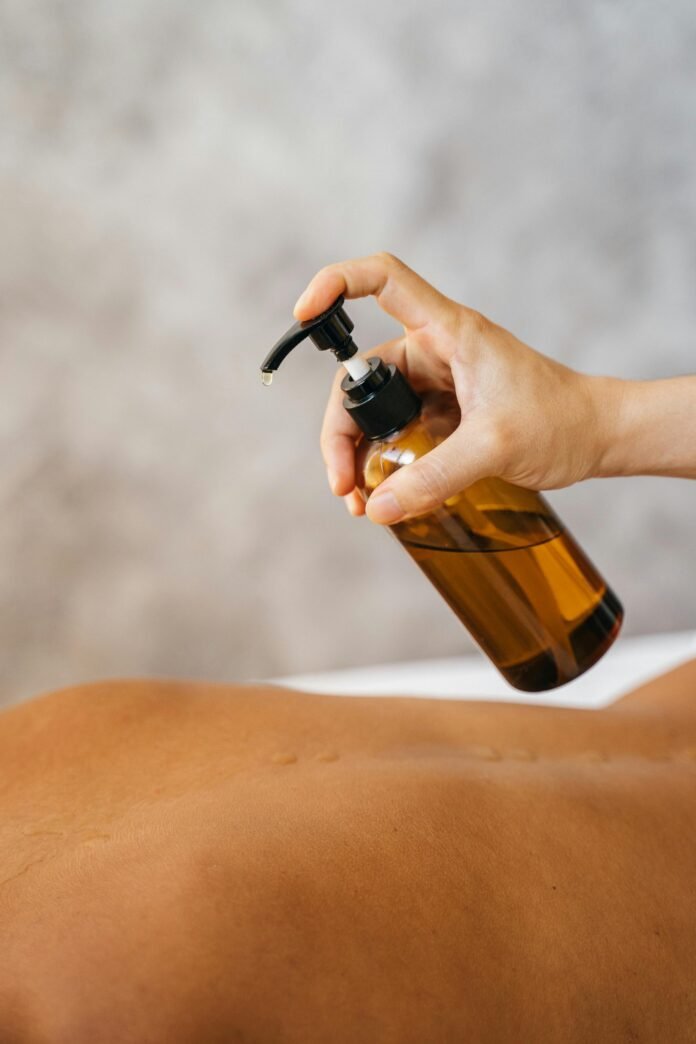
Body oils are lipid-based products that form a protective layer on the skin, locking in moisture and enhancing softness.
3.1 Key Ingredients
- Natural oils: Jojoba, almond, coconut, argan, rosehip
- Essential oils (optional) for fragrance and therapeutic benefits
3.2 Benefits
- Strong occlusive effect prevents water loss
- Provides deep nourishment for very dry or mature skin
- Can enhance the appearance of skin glow
- Often used for massage and relaxation
3.3 Ideal Skin Types
- Very dry or flaky skin
- Mature skin needing elasticity and nourishment
- Hands, feet, elbows, and knees for targeted care
- Individuals looking for luxurious hydration experience
4. Comparing Body Oils and Creams
| Feature | Body Creams | Body Oils |
|---|---|---|
| Moisture Delivery | Provides water and lipids | Provides mainly lipids |
| Absorption | Medium, leaves light hydration | Slower, leaves protective layer |
| Texture | Smooth, creamy | Slick, sometimes greasy |
| Ideal Use | Everyday hydration, post-shower | Intensive hydration, dry areas, massage |
| Best Season | Year-round, lighter in summer | Winter or very dry climates |
| Skin Type Suitability | Normal to dry | Dry, mature, rough skin |
5. How to Choose Between Oils and Creams
5.1 Assess Your Skin Needs
- Dry, rough, or mature skin → body oils
- Normal or slightly dry skin → creams or lotions
- Combination: use both strategically (cream during day, oil at night)
5.2 Consider Seasonal Changes
- Summer: lightweight creams or lotions
- Winter: heavier creams or oils to prevent dehydration
5.3 Lifestyle Considerations
- Quick absorption needed → creams
- Relaxing, spa-like hydration → oils
- Outdoor work → creams with sun protection; oils for post-shower recovery
6. Techniques for Maximum Hydration
6.1 Layering Oil Over Cream
- Apply cream first on damp skin
- Follow with a few drops of oil to lock in moisture
- Results: long-lasting hydration, soft, supple skin
6.2 Massage Technique
- Use circular motions to stimulate circulation
- Apply pressure evenly for deeper penetration
- Especially effective for legs, arms, and hands
6.3 Timing
- Immediately after shower for both oils and creams
- Damp skin improves absorption and prevents water loss
7. Targeted Use of Oils and Creams
- Elbows & Knees: Rich oils or thick creams for rough patches
- Hands & Feet: Oils for nighttime hydration, creams for daytime use
- Arms & Legs: Light creams for daily hydration, oils weekly for treatment
- Cuticles & Nail Beds: Oils to prevent dryness and strengthen nails
8. DIY Options for Oils and Creams
8.1 DIY Body Oil
- Mix 2 parts jojoba oil + 1 part almond oil + few drops essential oil
- Apply after shower for soft, glowy skin
8.2 DIY Body Cream
- ¼ cup shea butter + ¼ cup coconut oil + 2 tbsp almond oil
- Whip until fluffy; store in airtight container
- Lightly warm before applying
8.3 DIY Scrub and Oil Combo
- 1 tbsp sugar + 1 tsp coconut oil
- Exfoliate rough areas, rinse, then apply oil for hydration
9. Seasonal Recommendations
Winter
- Thick creams or body oils for all-over protection
- Apply multiple times daily to prevent cracks and dryness
Spring
- Light creams with gentle oils for skin transition
- Repair winter damage with exfoliation and hydration
Summer
- Lightweight lotions or gel-creams
- Body oils for post-sun care to restore elasticity
Autumn
- Gradually transition back to richer creams
- Focus on dry elbows, knees, and feet
10. Common Mistakes to Avoid
- Using oils on wet skin without proper patting (can feel greasy)
- Overusing thick creams in summer (may clog pores)
- Skipping exfoliation before oil application
- Neglecting sensitive areas like hands, feet, and cuticles
- Forgetting sunscreen when using oils or creams outdoors
11. Professional Tips for Healthy Skin
- Apply products twice daily for long-lasting results
- Layering cream and oil enhances hydration
- Massage helps absorption and improves circulation
- Use fragrance-free products if skin is sensitive
- Combine with exfoliation weekly for optimal smoothness
12. Signs You Need Oil vs. Cream
Use oils when:
- Skin feels tight, rough, or flaky
- Skin is extremely dry due to weather or aging
- Nighttime hydration is needed
Use creams when:
- Skin feels slightly dry but not cracked
- Daytime hydration with quick absorption is preferred
- Light hydration is needed after cleansing
13. Long-Term Benefits of Proper Hydration
- Prevents premature aging and wrinkles
- Reduces rough patches and dry spots
- Enhances skin glow and suppleness
- Protects against environmental damage
- Improves overall skin barrier function
14. Conclusion
Both body oils and creams are powerful tools for full-body hydration. Choosing the right product depends on your skin type, seasonal needs, lifestyle, and target areas. Layering oils over creams, massaging properly, and consistent application maximize benefits.
By understanding the differences and learning how to integrate oils and creams into your routine, you can maintain soft, nourished, and radiant skin year-round. Hydration isn’t just cosmetic—it’s essential for skin health, comfort, and resilience.