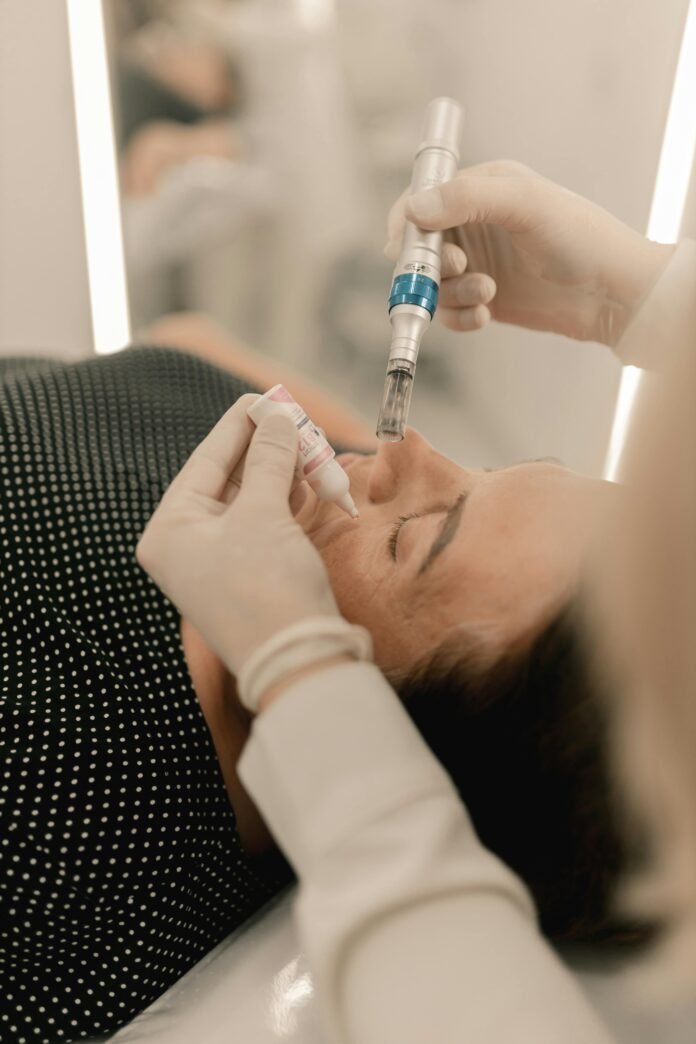

While daily moisturizers and oils keep skin hydrated on the surface, body masks provide an intensive, deep-hydration boost that revitalizes dry, dull, or rough skin. Often overlooked in regular routines, body masks combine humectants, emollients, and occlusive ingredients to deeply nourish, soften, and restore the skin barrier. They are perfect for seasonal adjustments, special occasions, or simply as a luxurious self-care ritual.
This comprehensive guide will explore why body masks are effective, the types available, DIY and professional options, step-by-step application, targeted care areas, seasonal considerations, and expert tips for optimal results.
1. Why Use Body Masks?
Body masks differ from regular moisturizers in several ways:
- Deep penetration: Active ingredients reach lower layers of the epidermis.
- Intensive hydration: Masks often contain higher concentrations of humectants, oils, and emollients.
- Barrier repair: Ingredients like shea butter, ceramides, and glycerin strengthen the skin barrier.
- Relaxation and self-care: The ritual itself promotes stress reduction, which indirectly benefits skin health.
Regular use of body masks can result in smoother, softer skin, improved elasticity, and enhanced appearance of dry or rough areas.
2. Types of Body Masks
Body masks can be broadly categorized based on texture and active ingredients:
2.1 Cream-Based Masks
- Thick creams or butter-based masks are excellent for winter or very dry skin.
- Contain shea butter, cocoa butter, ceramides, or lanolin.
- Best for overnight hydration.
2.2 Gel Masks
- Lightweight, water-based, and cooling.
- Contain hyaluronic acid, aloe vera, and glycerin.
- Ideal for summer or sensitive skin.
2.3 Mud or Clay Masks
- Detoxifying and hydrating when blended with humectants.
- Examples: Kaolin or bentonite clay mixed with oils or honey.
- Suitable for combination areas or rough patches.
2.4 Peel-Off Masks
- Contain hydrating extracts and antioxidants.
- Good for exfoliation plus hydration, particularly on arms, shoulders, and legs.
2.5 Sheet Body Masks
- Pre-soaked sheets for specific areas such as arms, legs, or torso.
- Convenient and travel-friendly, providing concentrated hydration.
3. Key Ingredients for Deep Hydration
When selecting a body mask, look for these powerful ingredients:
- Humectants: Hyaluronic acid, glycerin, aloe vera – attract and hold water in the skin.
- Emollients: Shea butter, cocoa butter, squalane – smooth and soften skin.
- Occlusives: Petrolatum, dimethicone, oils – lock moisture in.
- Vitamins & Antioxidants: Vitamin E, vitamin C, green tea extract – repair damage and protect skin.
- Botanical Extracts: Honey, coconut milk, oat extract – soothe irritation and restore softness.
4. DIY Body Mask Recipes
4.1 Shea Butter & Honey Mask
- 2 tbsp shea butter, 1 tbsp honey
- Melt shea butter and mix with honey
- Apply to elbows, knees, and feet for 15–20 minutes
- Rinse with lukewarm water and apply cream or oil
4.2 Aloe Vera & Coconut Gel Mask
- 3 tbsp aloe vera gel, 1 tbsp coconut oil
- Apply to arms and legs, leave for 20 minutes
- Excellent for soothing sun-exposed or sensitive skin
4.3 Oatmeal & Yogurt Mask
- 2 tbsp finely ground oatmeal, 2 tbsp plain yogurt
- Mix to form a paste and apply to rough areas
- Gently massage before rinsing
- Helps exfoliate lightly while hydrating
4.4 Cocoa Butter & Almond Oil Mask
- 1 tbsp cocoa butter, 1 tbsp almond oil
- Melt and mix, then apply to dry patches
- Cover with cotton wrap or socks for overnight hydration
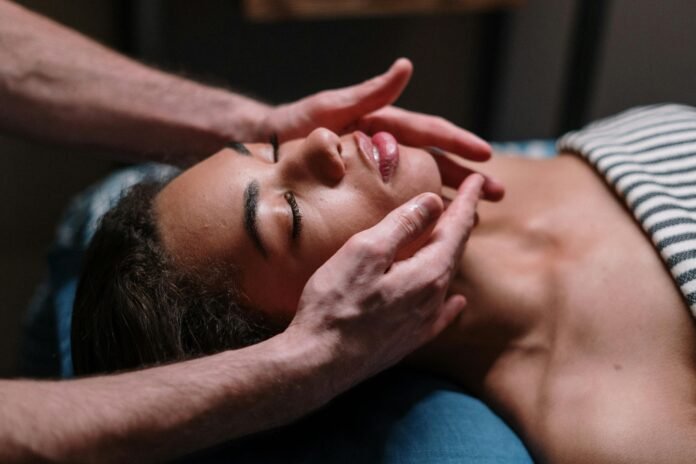
5. Professional Body Mask Treatments
Many spas and salons offer body mask treatments that provide:
- Full-body coverage with warmed hydrating formulas
- Targeted care for elbows, knees, hands, and feet
- Aromatherapy for stress reduction
- Combination with gentle massage to enhance absorption and circulation
Professional treatments often use high-concentration ingredients that are difficult to replicate at home, such as collagen, hyaluronic acid complexes, and botanical serums.
6. Step-by-Step Application at Home
Step 1: Prep the Skin
- Take a warm shower to open pores and soften skin
- Pat dry lightly
Step 2: Apply Mask
- Spread evenly on targeted or full-body areas
- Use upward strokes to improve circulation
Step 3: Let it Work
- Follow product instructions or 15–30 minutes for DIY masks
- Relax, meditate, or enjoy a bath while the mask sets
Step 4: Rinse or Leave On
- Some masks are rinse-off, others can be left overnight
- Gently pat skin dry if rinsed
Step 5: Seal in Moisture
- Apply moisturizer or body oil after rinsing
- For overnight masks, wrap hands or feet with cotton gloves or socks
7. Targeted Areas for Body Masks
- Elbows & Knees: Thick, rich masks to soften and repair rough patches
- Hands & Feet: Overnight hydration masks to prevent cracking
- Legs & Arms: Lightweight gel masks for smoothness and elasticity
- Back & Shoulders: Sheet or peel-off masks for hard-to-reach areas
8. Seasonal Adjustments
Winter
- Heavy butter-based masks for elbows, knees, hands, and feet
- Overnight treatments with cotton wrap for intensive hydration
Spring
- Gel-based or light cream masks to transition from winter dryness
- Add antioxidants for repair from seasonal allergies or sun exposure
Summer
- Cooling, water-based masks for sun-exposed skin
- Lightweight gels to prevent stickiness and maintain comfort
Autumn
- Medium-thickness masks to repair summer damage
- Incorporate oils or butters as temperatures drop
9. Common Mistakes to Avoid
- Using masks too frequently, which can irritate skin
- Not prepping the skin properly (exfoliation enhances absorption)
- Applying too thin a layer—product should cover target area evenly
- Neglecting hydration after rinse-off
- Ignoring seasonal skin changes when choosing mask type
10. Combining Masks With Your Routine
- Exfoliate 1–2 times per week before mask application
- Follow with moisturizer or oil to lock in hydration
- Use masks in combination with body scrubs or massage for maximum effect
- Rotate mask types based on skin needs and seasons
11. DIY vs. Professional Masks
| Feature | DIY Masks | Professional Masks |
|---|---|---|
| Ingredients | Simple kitchen items, natural oils | High-concentration actives, botanical extracts |
| Customization | Easy to adjust for skin type | Pre-formulated, targeted treatments |
| Frequency | 1–2 times per week | 1–2 times per month for intensive care |
| Cost | Low | Higher, spa service fees |
| Convenience | Home use anytime | Requires appointment or travel |
12. Benefits of Regular Body Mask Use
- Deep hydration beyond standard moisturizers
- Enhanced skin smoothness and softness
- Improved elasticity and reduced rough patches
- Strengthened skin barrier against environmental stressors
- Relaxation and stress reduction contributing to skin health
13. Conclusion
Body masks are a powerful addition to your hydration routine, providing intensive moisture, repairing rough patches, and enhancing overall skin health. Whether you choose DIY recipes or professional treatments, consistency and proper application are key. Seasonal adjustments, targeted areas, and combination with exfoliation and moisturizers maximize benefits.
Incorporating body masks into your routine not only improves skin texture and hydration but also elevates your self-care ritual. Smooth, soft, and radiant skin is achievable with a thoughtful, science-based approach—one mask at a time.