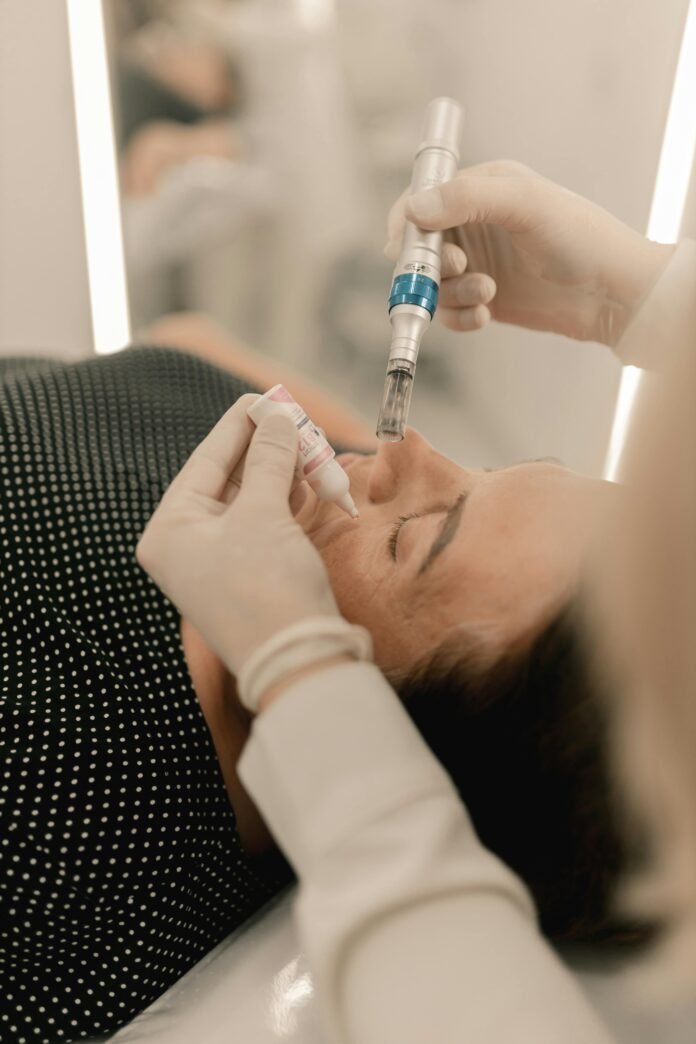
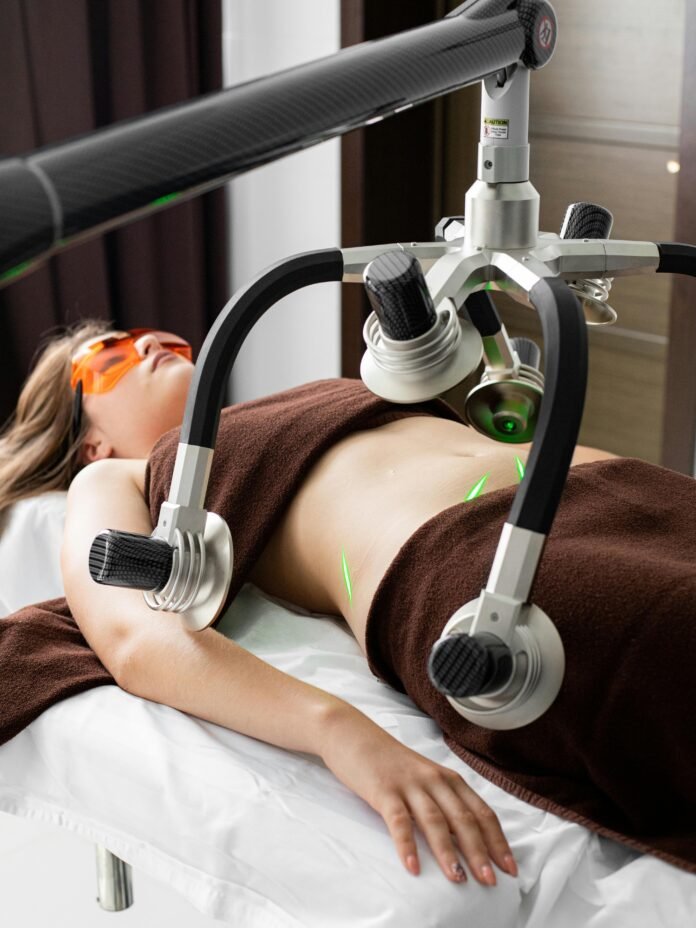
Body contouring is increasingly popular for toning and reshaping the body without surgery. Trends focus on non-invasive or minimally invasive approaches with scientifically-backed results.
1. Understanding Body Contouring
- Targets stubborn fat and loose skin
- Supports natural body shape enhancement
- Combines treatments with diet, hydration, and exercise
2. Non-Invasive Techniques
- Cryolipolysis (CoolSculpting): Freezes fat cells, which the body naturally eliminates
- Radiofrequency (RF) body tightening: Stimulates collagen and smooths skin
- Ultrasound cavitation: Breaks down fat cells, improves tone
3. Popular Ingredients in Topical Contour Products
- Caffeine: promotes microcirculation, reduces puffiness
- Retinol and peptides: firm skin, improve texture
- Plant extracts (green tea, centella asiatica): enhance elasticity
4. Complementary Practices
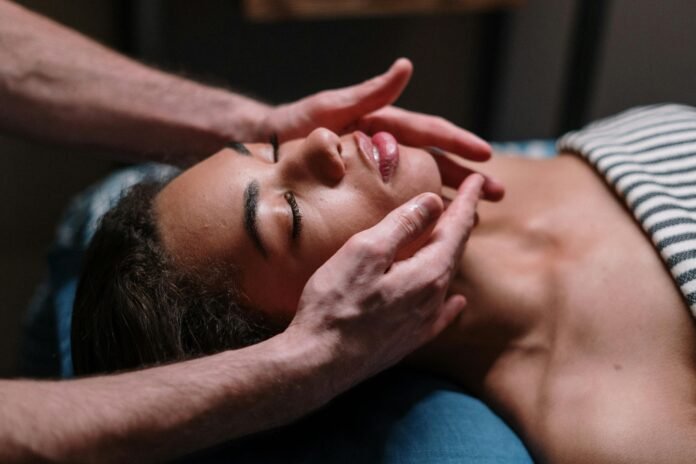
- Lymphatic massage: reduces water retention, enhances contour
- Targeted exercises for muscle tone
- Consistent hydration for skin elasticity
5. Professional Treatments
- Spa sessions offering body wraps, RF, or ultrasound treatments
- Combination therapy for faster results
- Regular sessions maximize efficacy
6. At-Home Approaches
- Massage rollers and gua sha tools
- Firming creams and serums
- DIY body scrubs to stimulate circulation
7. Safety Considerations
- Choose certified clinics or professionals
- Monitor for skin irritation from topical products
- Avoid overuse of devices at home without guidance
8. Seasonal Adjustments
- Summer: lighter gels and serums
- Winter: richer creams to prevent dehydration
9. Realistic Expectations
- Contouring is subtle and gradual
- Works best with healthy lifestyle
- Non-invasive treatments enhance but do not replace exercise
10. Conclusion
Non-invasive body contouring provides safe, modern options for reshaping and toning the body. Integrating professional treatments with at-home care supports sustainable, natural results.