For individuals with active lifestyles, whether exercising regularly, engaging in outdoor activities, or balancing a busy schedule, body care presents unique challenges. Sweat, friction, sun exposure, and environmental stress can compromise skin hydration, leading to dryness, irritation, and premature aging. To maintain soft, supple, and healthy skin, it’s essential to adopt targeted hydration and care routines tailored to an active life.
This guide covers the challenges active people face, strategies for maintaining hydration, product recommendations, seasonal considerations, and practical routines that fit seamlessly into a busy schedule.
1. Challenges for Active Skin
Active lifestyles place extra demands on the skin:
- Sweat and moisture loss: Excess sweating can disrupt the skin’s natural barrier and cause irritation.
- Friction: Tight workout clothing or repetitive motion can lead to chafing, calluses, or rough patches.
- Sun and environmental exposure: Outdoor activities increase UV exposure, wind, and pollution contact.
- Frequent showers: While necessary for hygiene, repeated washing strips natural oils and reduces hydration.
- Time constraints: Busy schedules make consistent skin care difficult.
Understanding these challenges allows for targeted interventions to protect and nourish the skin.
2. Key Principles of Hydration for Active Individuals
2.1 Pre-Activity Preparation
- Apply lightweight moisturizer or barrier cream to reduce friction
- Use sweat-resistant sunscreens for outdoor workouts
- Ensure hydration from within by drinking water before activity
2.2 Post-Activity Recovery
- Shower using lukewarm water to prevent excessive drying
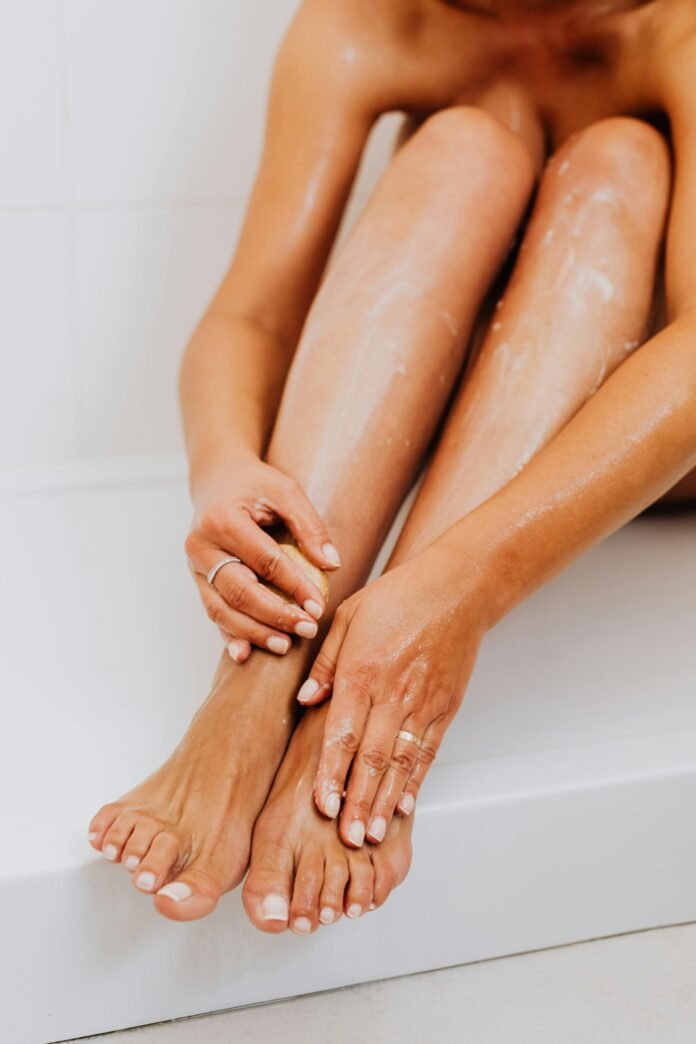
- Apply hydrating products immediately post-shower to lock in moisture
- Treat chafed areas, feet, and hands with richer creams or balms
2.3 Consistency
- Hydration should be daily, not just occasional
- Targeted treatment for high-risk areas (elbows, knees, feet, hands) prevents cumulative damage
3. Choosing the Right Products
3.1 Moisturizers
- Lightweight, fast-absorbing lotions for post-workout
- Creams with humectants like glycerin or hyaluronic acid for quick hydration
3.2 Body Oils
- Fast-absorbing oils to seal in moisture without feeling greasy
- Ideal for post-shower or evening routines
3.3 Sunscreens
- SPF 30+ broad-spectrum, water- or sweat-resistant formulas
- Apply before outdoor activities to protect skin from UV damage
3.4 Balms and Ointments
- Thick products for extremely dry or friction-prone areas
- Ideal for feet, heels, elbows, knees, and hands
4. Targeted Care for Active Lifestyles
- Feet: Use foot creams to prevent blisters and calluses; wear moisture-wicking socks
- Hands: Apply hydrating hand creams after washing or exposure to harsh conditions
- Elbows & Knees: Use emollient-rich creams to soften friction-prone areas
- Chafed Areas: Apply barrier creams or soothing gels to reduce irritation and inflammation
- Post-Sun Care: Use aloe vera gels or antioxidant-rich creams after outdoor activity
5. Hydration Rituals for Athletes
5.1 Pre-Workout
- Apply lightweight moisturizer to reduce friction
- Use SPF if training outdoors
- Stay hydrated internally
5.2 During Activity
- Wear breathable, moisture-wicking clothing to reduce friction and moisture loss
- Reapply sunscreen for prolonged exposure
- Avoid prolonged contact with wet clothing to prevent irritation
5.3 Post-Workout
- Take lukewarm shower to remove sweat and bacteria
- Gently pat skin dry
- Apply a combination of lotion + oil to lock in moisture
- Treat high-friction or dry areas with thicker creams or balms
- Optional: Overnight hydration treatment for hands and feet
6. Seasonal Adjustments
Winter
- Dry, cold air increases moisture loss
- Apply richer creams and oils
- Consider overnight occlusive treatments for hands and feet
Spring
- Transition to lighter creams, still using barrier products for friction-prone areas
- Protect against UV rays and environmental allergens
Summer
- Use lightweight, fast-absorbing lotions
- Sweat-resistant sunscreen for outdoor activity
- Rehydrate post-activity immediately to replenish lost moisture
Autumn
- Medium-thickness creams for repair and preparation for cooler months
- Reintroduce heavier body butters as humidity drops
7. DIY Treatments for Active Skin
- Aloe Vera & Coconut Oil: Soothes post-sun or friction-prone skin
- Oatmeal & Yogurt Paste: Lightly exfoliates while hydrating after workouts
- Shea Butter & Honey Balm: Apply to heels, hands, elbows, or knees overnight
- Foot Soaks: Warm water with essential oils or Epsom salts for tired, dry feet
8. Massage and Recovery Techniques
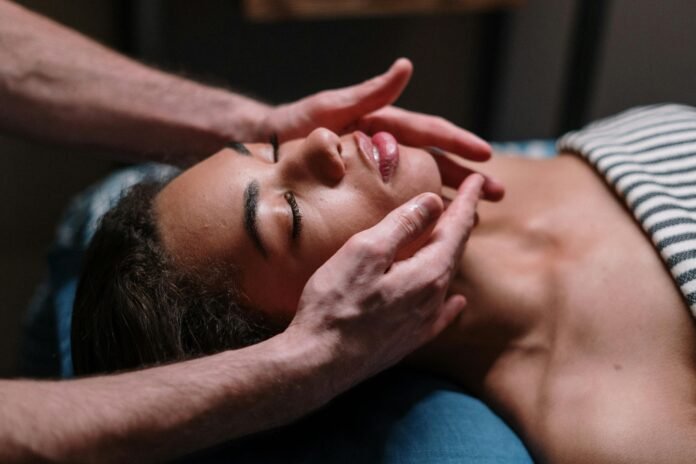
- Gentle massage enhances blood flow and improves absorption of hydrating products
- Focus on feet, calves, and arms after intense exercise
- Use circular motions and upward strokes
- Can be combined with overnight gloves or socks for intensive care
9. Nutrition and Internal Hydration
- Adequate water intake is essential to maintain skin moisture from within
- Include omega-3 fatty acids (fish, chia, flax) to strengthen the skin barrier
- Antioxidant-rich foods (berries, green tea, vegetables) protect against environmental stress
- Protein supports collagen and elastin production for resilient skin
10. Common Mistakes for Active Skin
- Ignoring post-activity hydration
- Using harsh soaps or long hot showers
- Neglecting friction-prone areas like elbows, knees, feet, and hands
- Skipping sunscreen for outdoor activity
- Over-relying on lightweight lotions without layering for dry areas
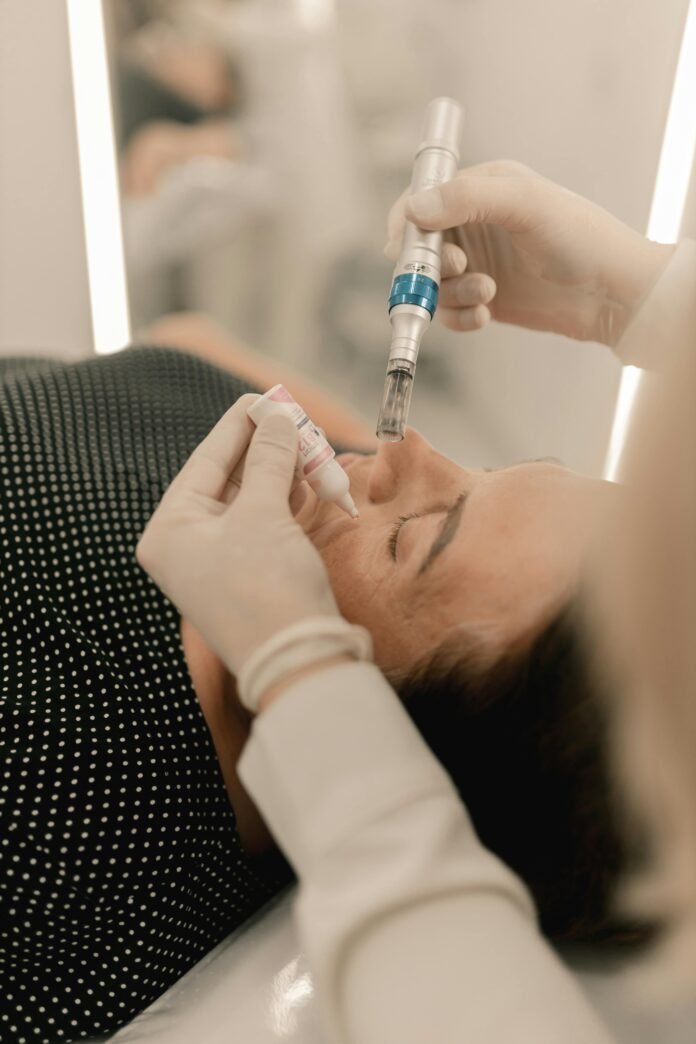
11. Professional Treatments for Active Individuals
- Spa treatments combining exfoliation, massage, and hydration for entire body
- Paraffin or thermal treatments for hands and feet
- Hydrating wraps for post-exercise recovery
- Professional pedicures and manicures for nail health
- High-concentration products for intensive care of dry or damaged skin
12. Benefits of Targeted Hydration for Active Lifestyles
- Maintains soft, supple skin despite sweat and friction
- Prevents chafing, calluses, and cracks
- Improves elasticity and barrier function
- Enhances appearance of hands, feet, and body
- Supports long-term skin health and comfort
13. Conclusion
Active lifestyles demand specialized body care to maintain hydration, comfort, and healthy skin. By understanding the challenges posed by sweat, friction, environmental exposure, and seasonal changes, individuals can implement targeted hydration rituals, choose appropriate products, and adopt daily preventive measures. Combining lightweight lotions, rich creams, oils, balms, and masks with massage, exfoliation, and sun protection ensures your skin remains soft, smooth, and resilient—no matter how busy or active your life is.
With a thoughtful, consistent approach, body care becomes a seamless part of your active lifestyle, protecting your skin, enhancing comfort, and supporting long-term skin health.