Exfoliation is one of the most effective ways to maintain smooth, soft, and healthy skin. While daily moisturization is essential, it cannot fully penetrate layers of dead skin buildup. Exfoliation removes dull surface cells, stimulates circulation, and enhances absorption of creams and oils. When done correctly, it also improves skin texture, prevents ingrown hairs, and keeps your body glowing.
This comprehensive guide covers why exfoliation matters, the types of exfoliation, step-by-step techniques, best products, seasonal adjustments, DIY options, and professional tips to achieve silky-smooth body skin.
1. Why Exfoliation Is Essential
Our skin naturally sheds dead cells, but this process slows with age, environmental stress, and improper care. Accumulated dead cells lead to:
- Dull, uneven texture
- Rough patches on elbows, knees, and heels
- Blocked pores and ingrown hairs
- Reduced effectiveness of moisturizers
Exfoliation accelerates cell turnover, revealing fresh, hydrated skin underneath. Combined with proper hydration, it creates a soft, radiant, and resilient skin surface.
2. Types of Exfoliation
Exfoliation can be categorized into physical and chemical methods, each with unique benefits.
2.1 Physical Exfoliation
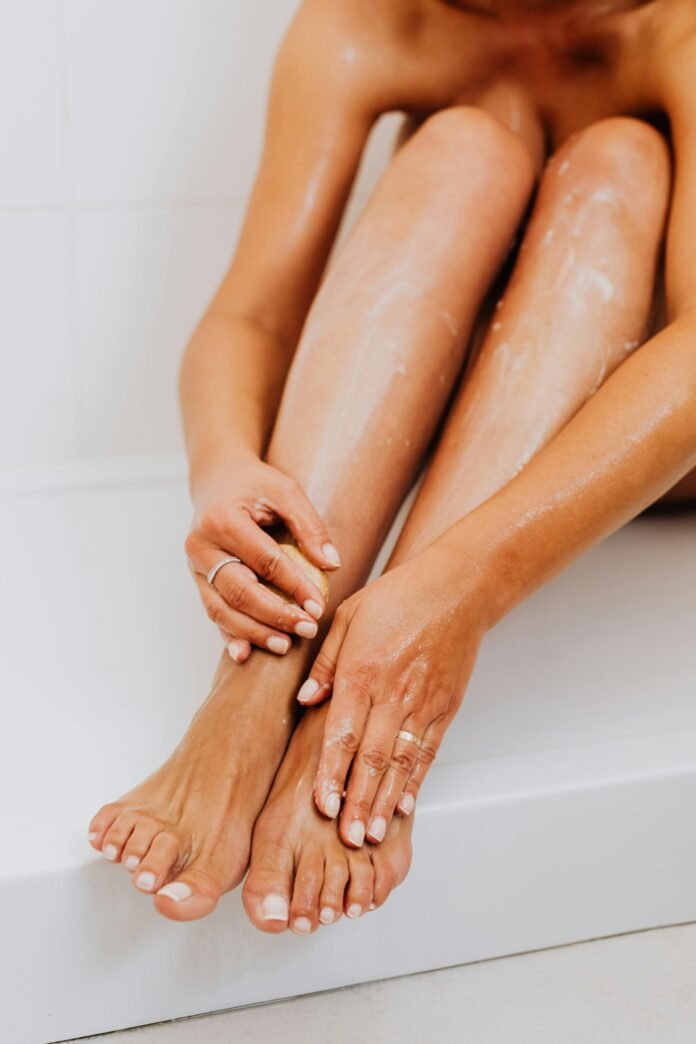
Physical exfoliation involves manually sloughing off dead cells using scrubs, brushes, or tools.
Common options:
- Body scrubs: Sugar, salt, coffee grounds, oatmeal
- Loofahs or exfoliating gloves: Gentle friction removes buildup
- Dry brushing: Stimulates circulation and lymphatic drainage
- Buffing mitts: Smooth rough patches, particularly on elbows and knees
Tips:
- Always use gentle pressure
- Avoid harsh scrubbing on sensitive or inflamed skin
- Focus on areas prone to roughness
2.2 Chemical Exfoliation
Chemical exfoliants dissolve dead skin cells using acids or enzymes without physical scrubbing.
Common chemical exfoliants:
- AHAs (Alpha-Hydroxy Acids): Glycolic acid, lactic acid; ideal for dry, rough skin
- BHAs (Beta-Hydroxy Acids): Salicylic acid; effective for clogged pores and keratin buildup
- Enzymatic exfoliants: Papaya, pineapple; gentle and suitable for sensitive skin
Tips:
- Apply to clean, dry skin
- Follow product instructions regarding contact time
- Moisturize immediately afterward
- Use sunscreen if applying on exposed areas during the day
3. Step-by-Step Body Exfoliation Routine
Step 1: Prep the Skin
- Shower with warm water to open pores and soften skin
- Pat dry lightly, leaving skin slightly damp for better scrub adhesion
Step 2: Choose Your Exfoliant
- Physical: Sugar or salt scrub, loofah, dry brush
- Chemical: Body lotion or gel containing AHA/BHA
Step 3: Application
- For scrubs: Massage in circular motions from extremities toward the heart
- For chemical exfoliants: Apply evenly, avoid sensitive areas, follow timing instructions
Step 4: Rinse and Pat Dry
- Use lukewarm water
- Avoid rubbing aggressively to prevent irritation
Step 5: Hydrate
- Apply body cream or oil immediately after exfoliation
- Massage thoroughly for absorption and circulation
4. Dry Brushing Techniques
Dry brushing offers physical exfoliation while stimulating circulation.
How to dry brush effectively:
- Use a natural bristle brush
- Begin at the feet and hands, moving toward the torso
- Use light to moderate pressure
- Brush each area for 2–3 minutes
- Shower afterward and apply moisturizer or body oil
Benefits:
- Smooths skin texture
- Enhances lymphatic drainage
- Prepares skin for moisturizers
Caution: Avoid broken skin, rashes, or sensitive areas.
5. Choosing the Right Exfoliant for Your Skin Type
| Skin Type | Physical Exfoliant | Chemical Exfoliant |
|---|---|---|
| Dry | Oatmeal, sugar | Lactic acid |
| Sensitive | Fine sugar, soft brush | Enzymes (papaya, pineapple) |
| Normal | Sugar, salt, loofah | Mild AHAs |
| Oily | Coffee grounds, buffing mitt | Salicylic acid |
Tip: Start with gentle exfoliation 1–2 times per week and adjust based on skin response.
6. Exfoliation for Targeted Areas
- Elbows & Knees: Sugar or salt scrubs; thicker creams afterward
- Feet & Heels: Pumice stone or foot scrub; follow with balm or oil
- Hands & Cuticles: Gentle scrubs and cuticle oils
- Back & Shoulders: Long-handled brush or mitt for hard-to-reach areas
Pro Tip: Always layer hydration after exfoliation to lock in moisture.
7. DIY Exfoliation Recipes
7.1 Coffee & Coconut Oil Scrub
- 2 tbsp coffee grounds + 1 tbsp coconut oil
- Massage on rough areas; rinse and hydrate
7.2 Sugar & Olive Oil Scrub
- 2 tbsp sugar + 1 tbsp olive oil
- Gentle, suitable for sensitive skin
7.3 Oatmeal & Honey Scrub
- 1 tbsp finely ground oatmeal + 1 tsp honey + water
- Soothes irritation and gently removes dead cells
7.4 Enzyme Mask
- Blend papaya or pineapple pulp
- Apply 10–15 minutes; rinse and moisturize
- Great for sensitive or mature skin
8. Seasonal Adjustments for Exfoliation
Winter
- Use gentle, hydrating scrubs
- Avoid over-exfoliating dry patches
- Focus on hydration immediately afterward
Spring
- Remove winter dead skin
- Light scrubs or chemical exfoliants to prep for sun exposure
Summer
- Exfoliate sweat-prone areas to prevent clogged pores
- Use lightweight lotions or oils afterward
Autumn
- Restore moisture balance
- Prepare skin for harsher winter conditions
9. Common Exfoliation Mistakes
- Over-exfoliating, causing redness or irritation
- Using harsh scrubs on sensitive skin
- Skipping hydration post-exfoliation
- Neglecting rough areas like elbows, knees, and heels
- Applying chemical exfoliants too frequently
10. Professional Tips for Smooth Skin
- Exfoliate consistently 1–2 times per week
- Rotate between physical and chemical exfoliants
- Combine exfoliation with massage for improved circulation
- Use rich moisturizers or body oils post-exfoliation
- Protect skin from sun and environmental stressors
11. Benefits of Regular Exfoliation
- Smooth, soft, and radiant skin
- Improved absorption of moisturizers and treatments
- Reduced appearance of rough patches and dryness
- Prevention of ingrown hairs and clogged pores
- Enhanced skin renewal and overall texture
12. Conclusion
Exfoliation is a cornerstone of body care. By understanding your skin type, selecting the appropriate exfoliation method, and following a consistent routine, you can achieve soft, radiant, and smooth skin. Pairing exfoliation with hydration, oils, and seasonal adjustments maximizes benefits.
With proper exfoliation, your skin not only looks and feels better but also becomes more resilient, healthier, and youthful. A commitment to this simple yet powerful step elevates your overall body care routine and ensures long-term skin vitality.